


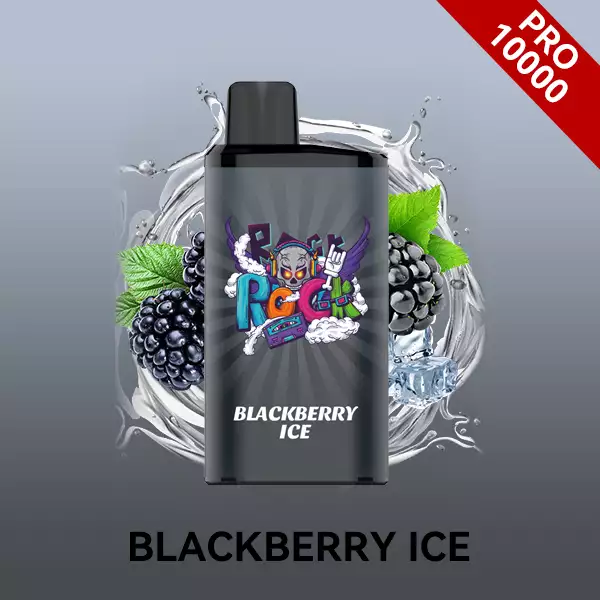
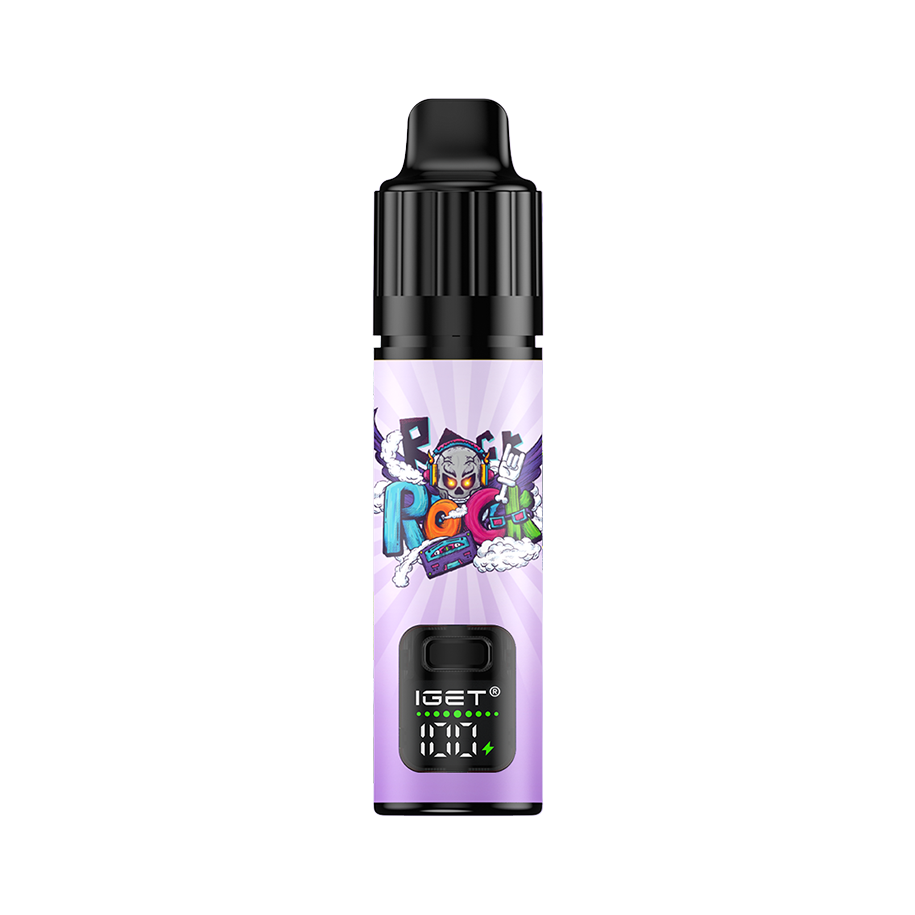
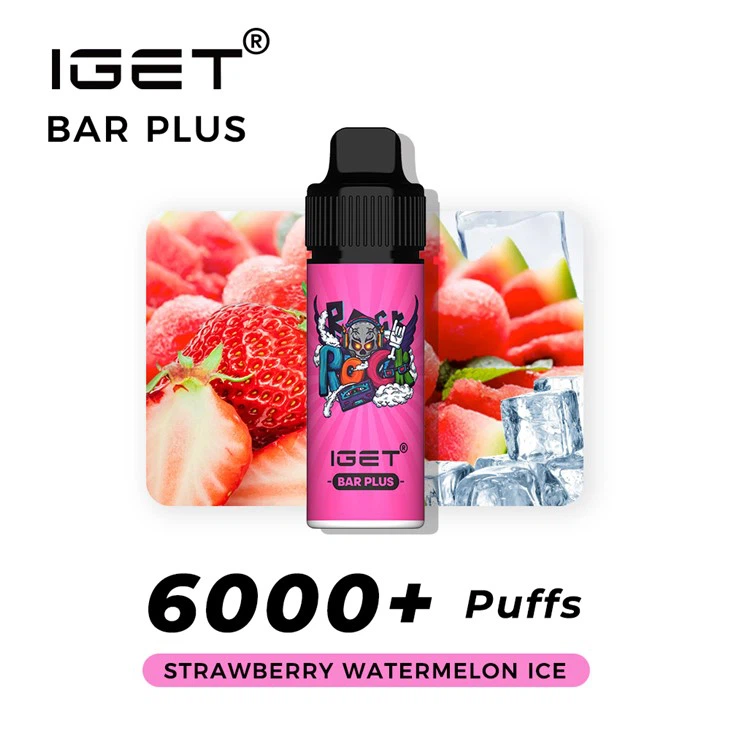
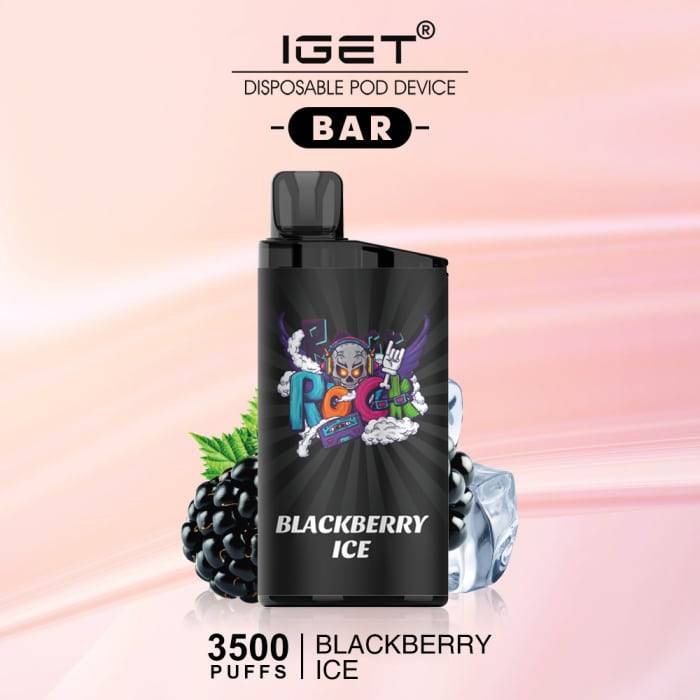

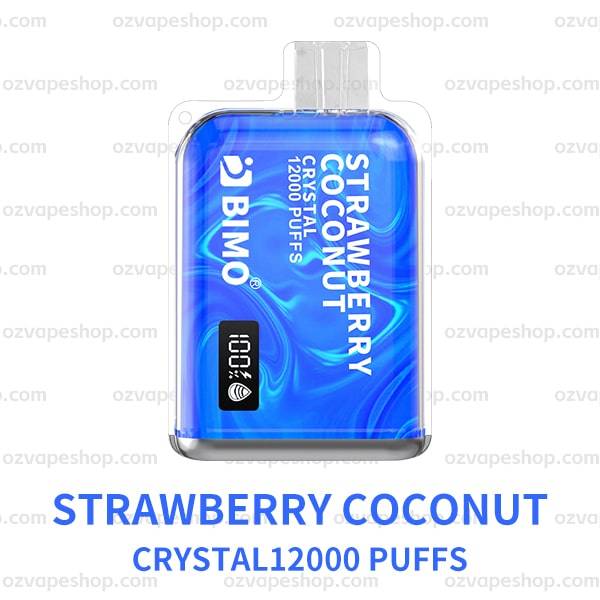
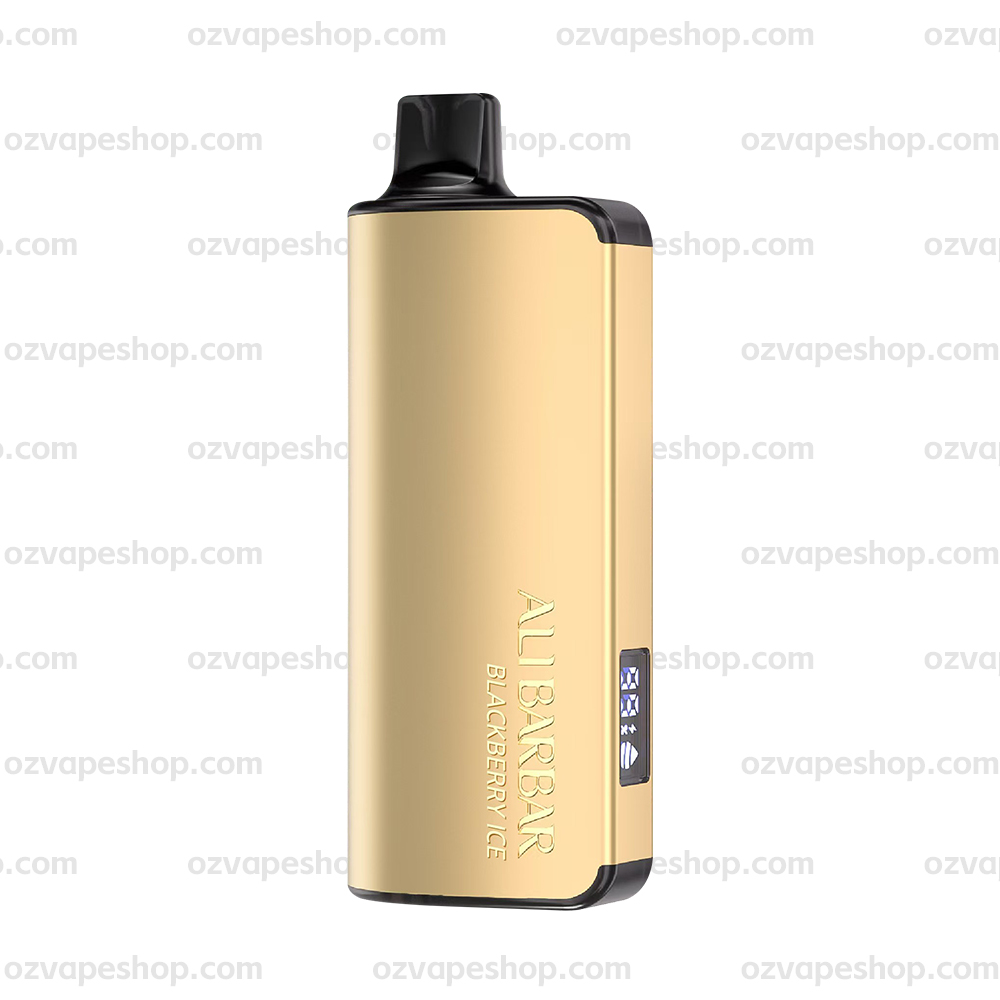


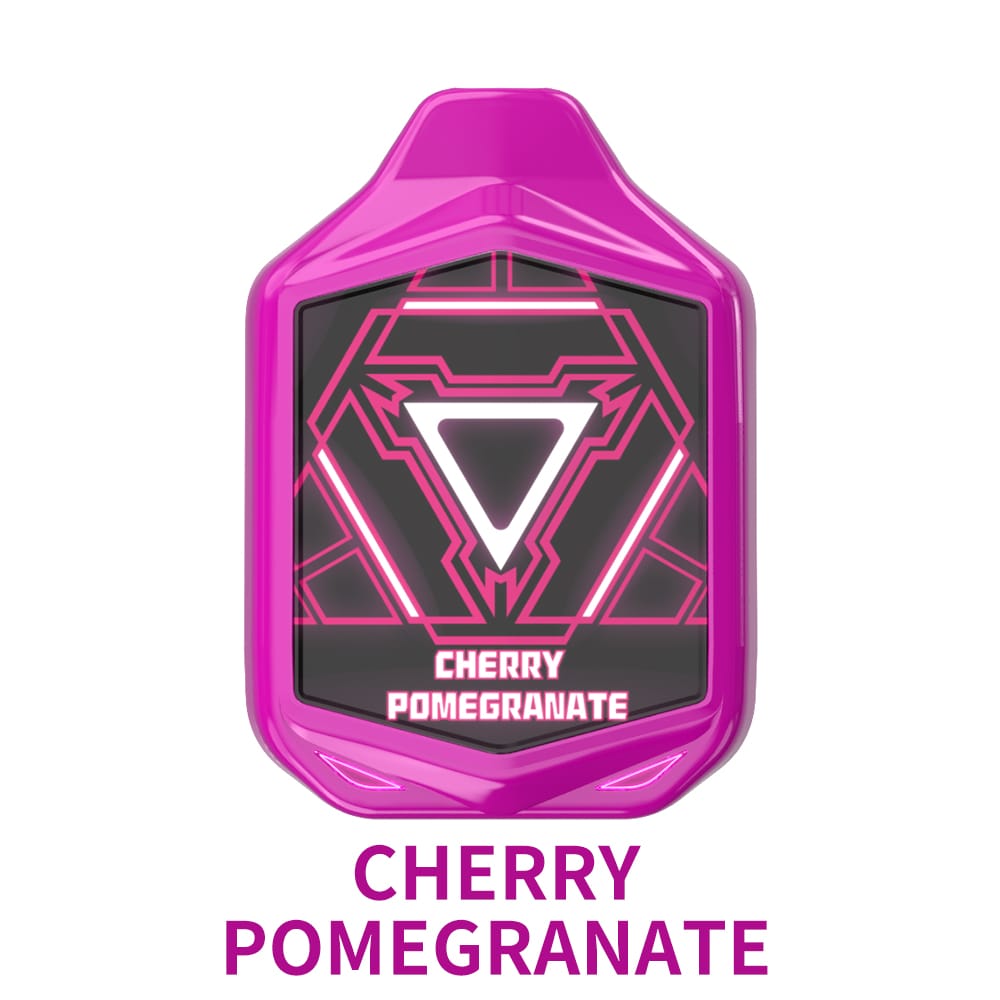
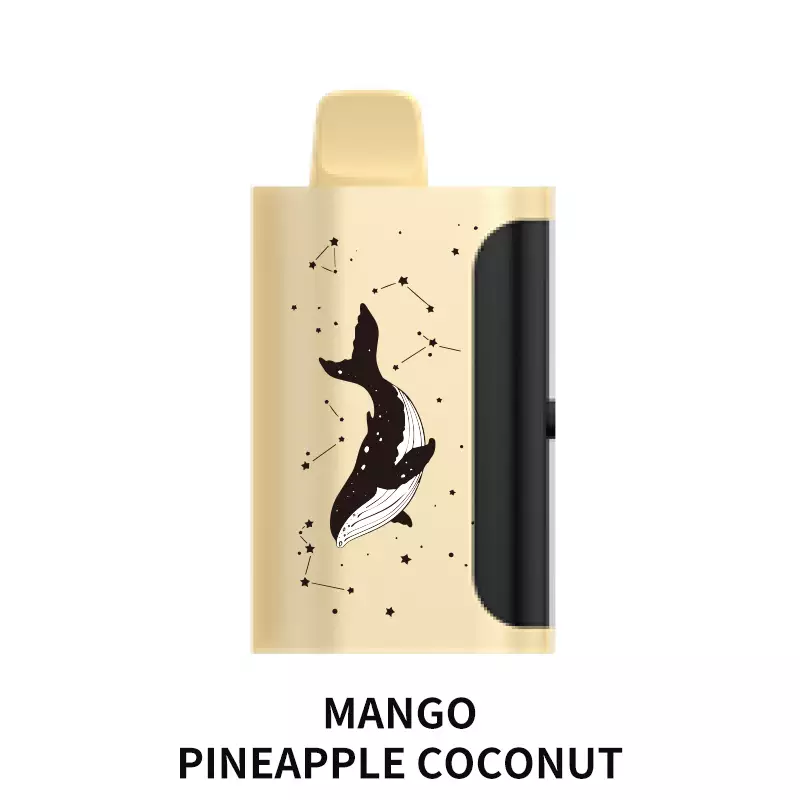
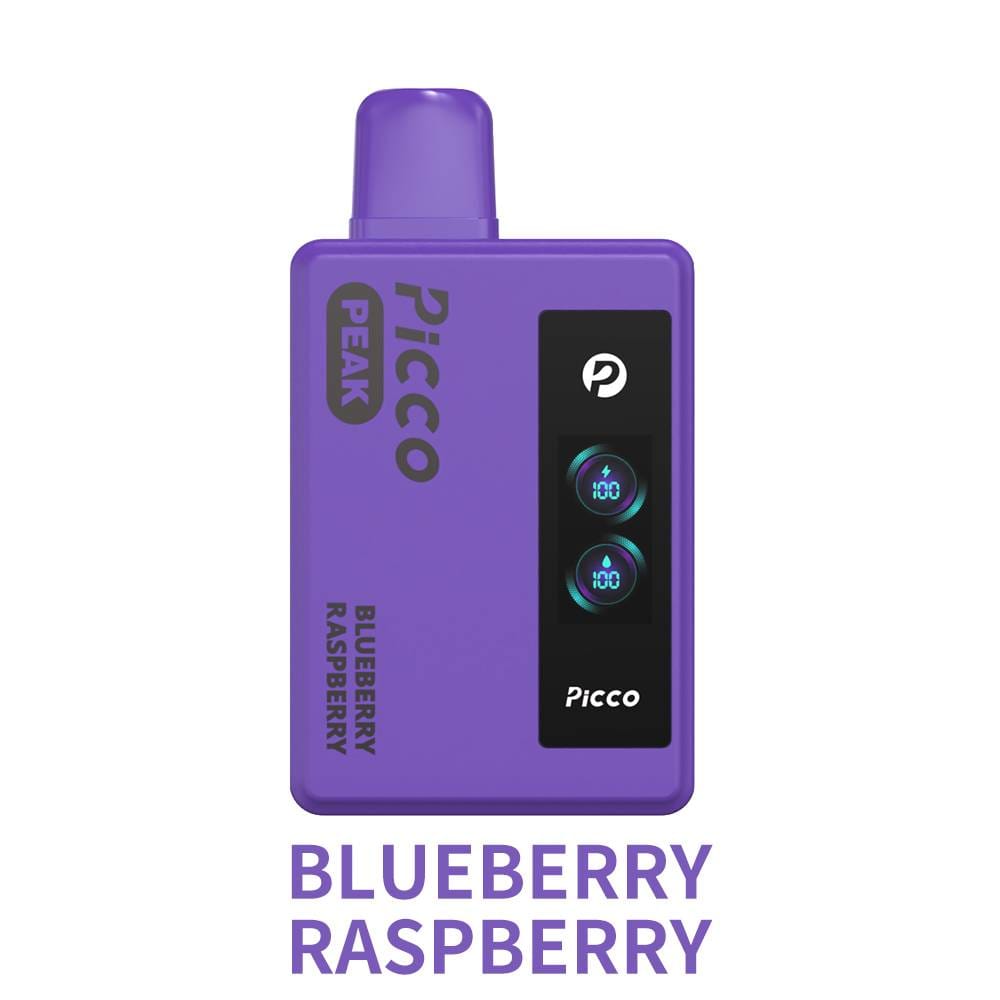
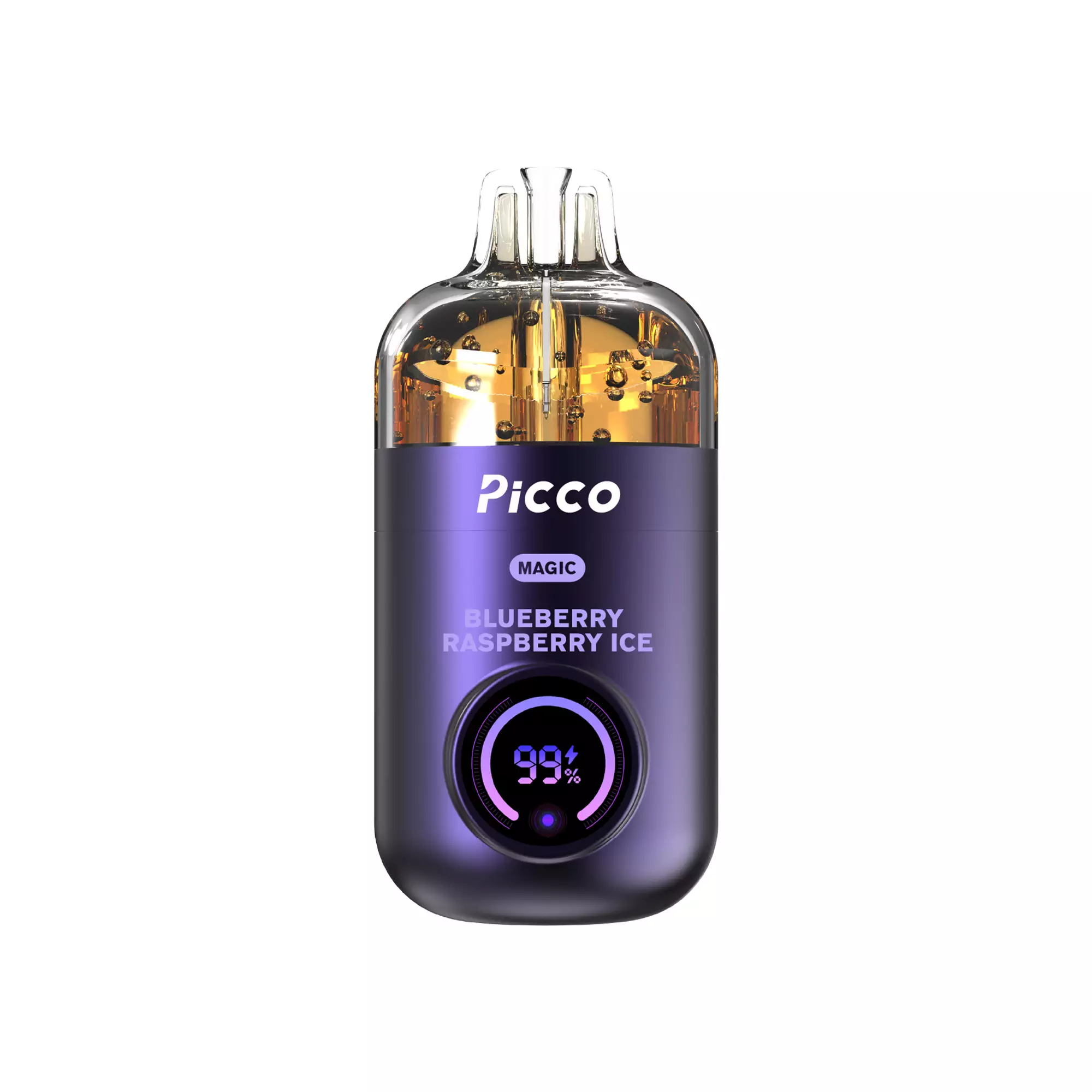
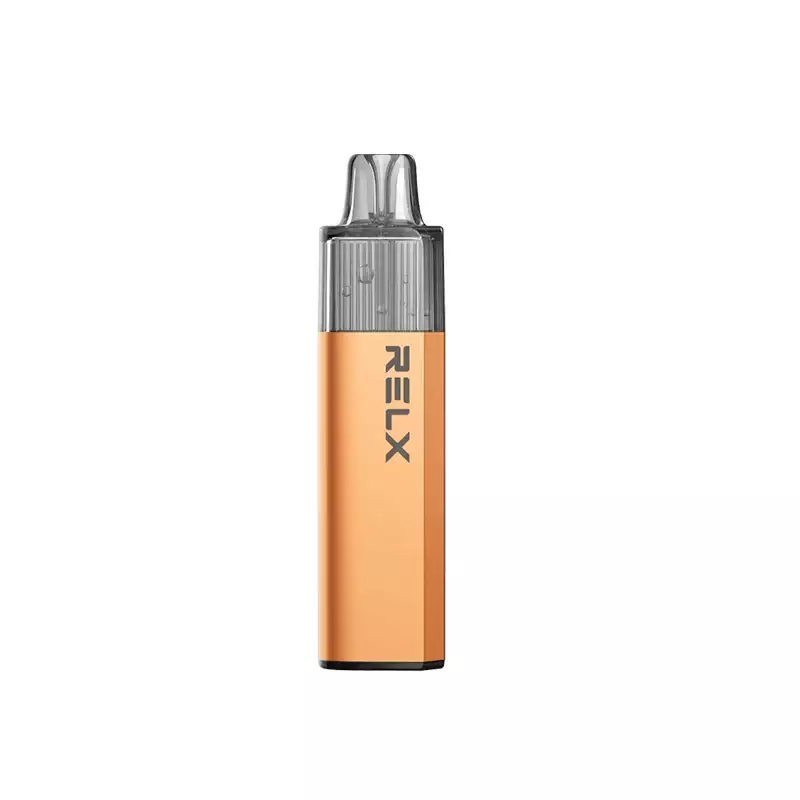
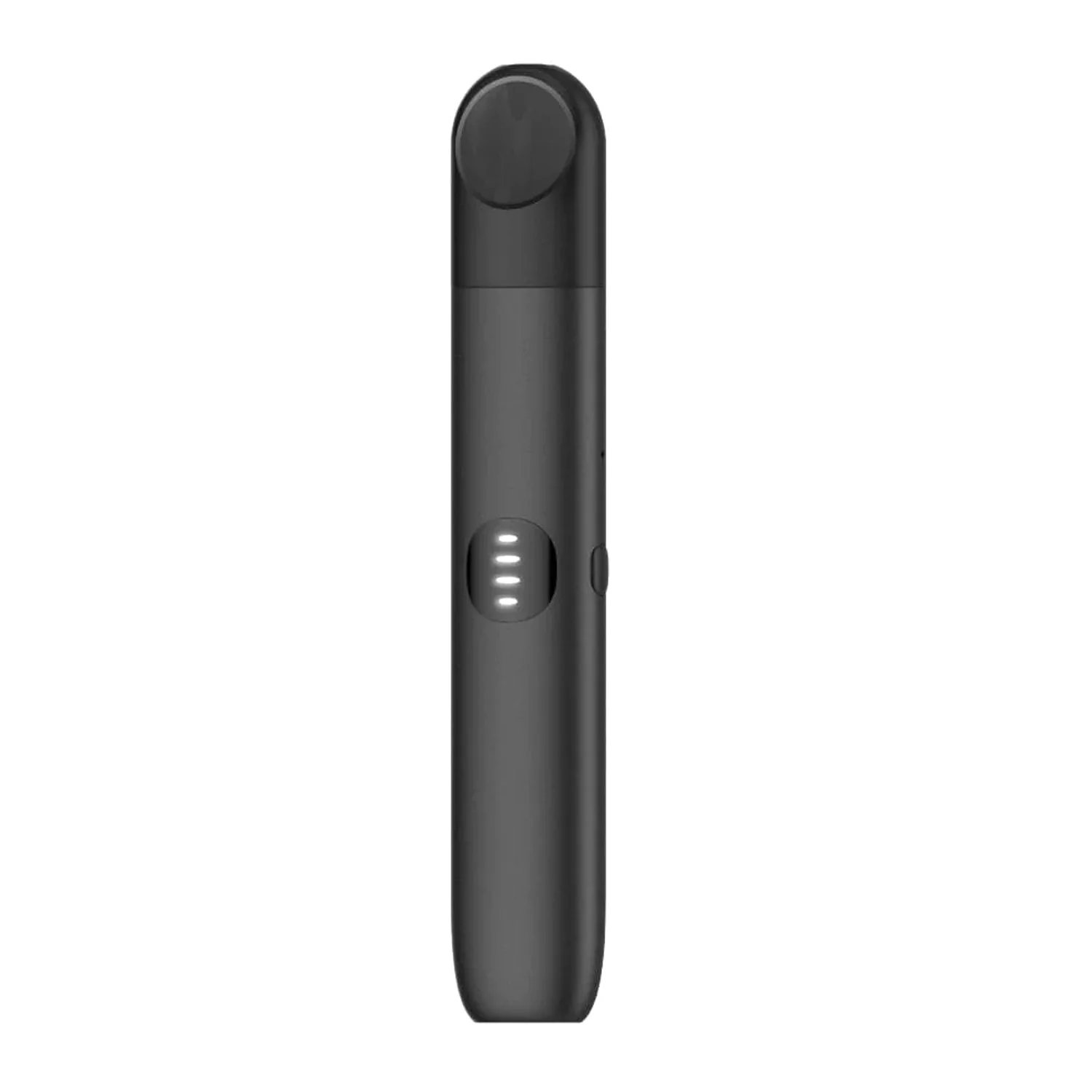



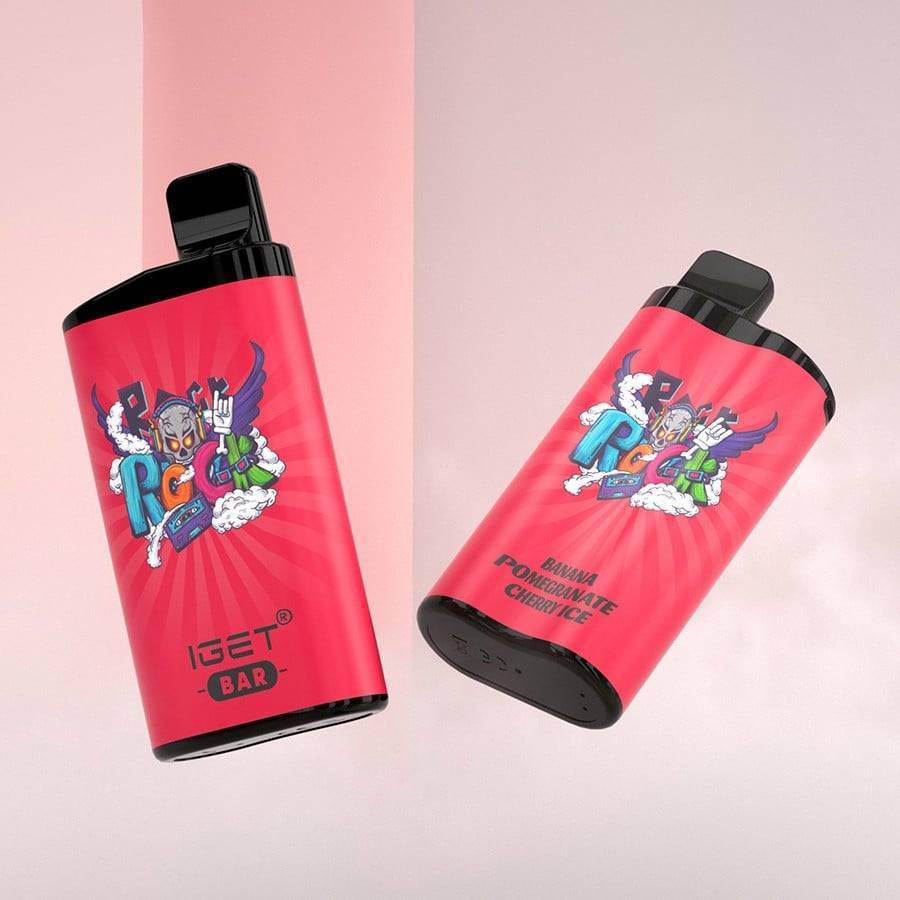
An IGET Bar and a cigarette work in fundamentally different ways: cigarettes burn tobacco, while an IGET Bar uses a battery-powered heating system to create an aerosol. That difference affects convenience, waste, exposure and user experience, but it does not justify describing an IGET Bar as harmless or as an approved smoking-cessation treatment.
Combustion versus aerosol
Cigarettes rely on combustion and produce tobacco smoke. A disposable vape heats its contents instead. Avoiding combustion changes the chemicals produced, but vape aerosol can still contain substances that affect health. The long-term effects of vaping remain an active area of research.
Device format
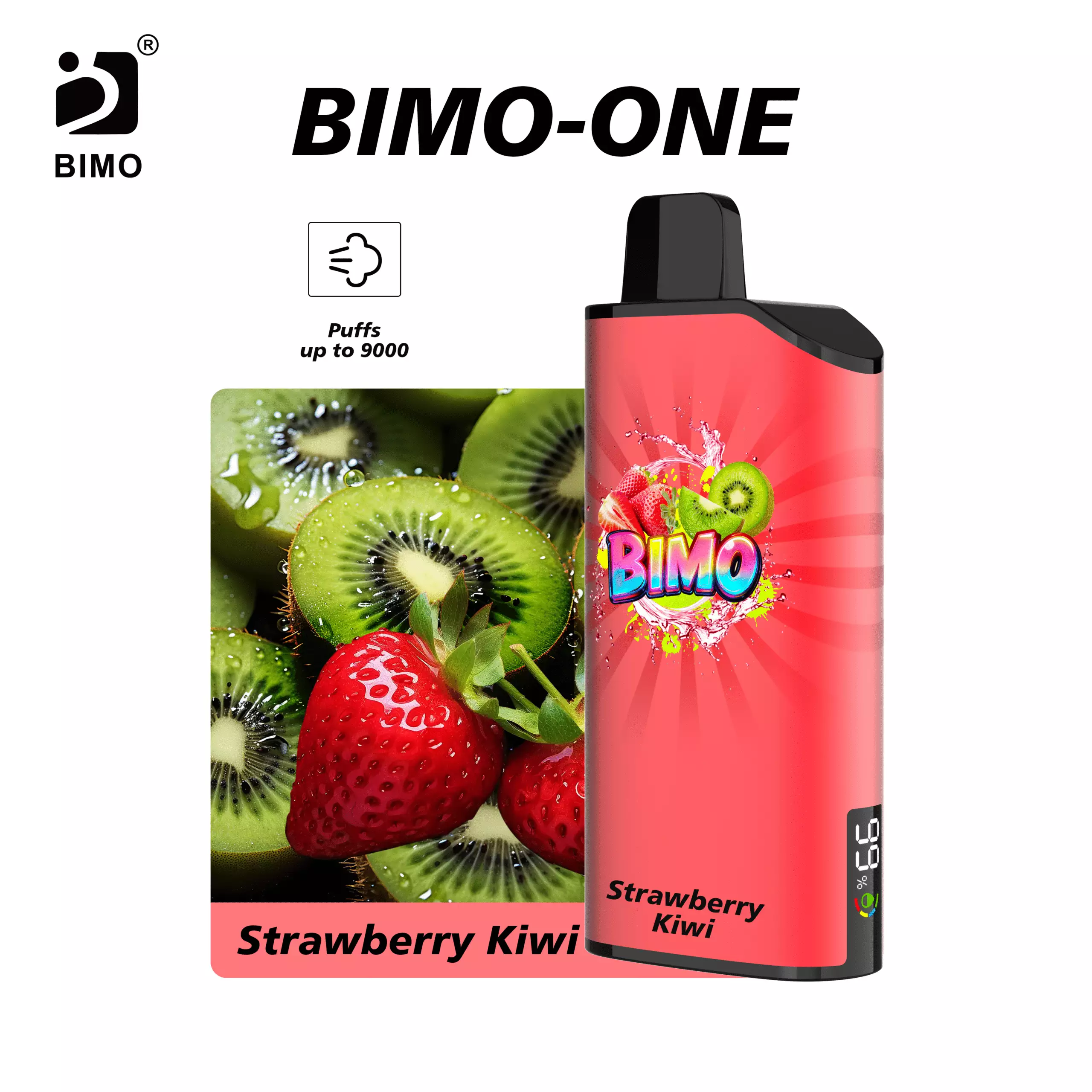
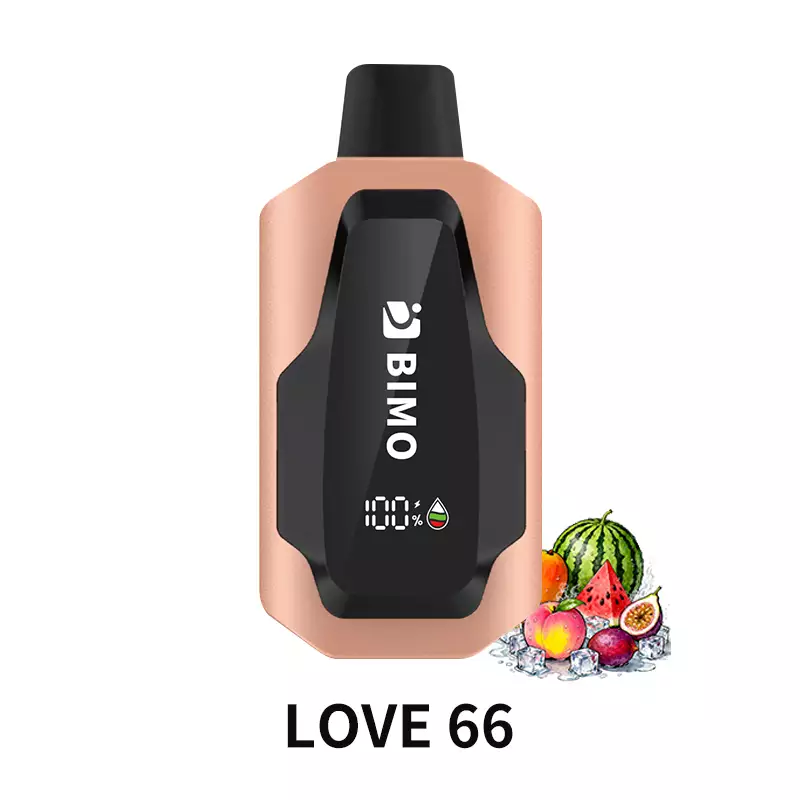
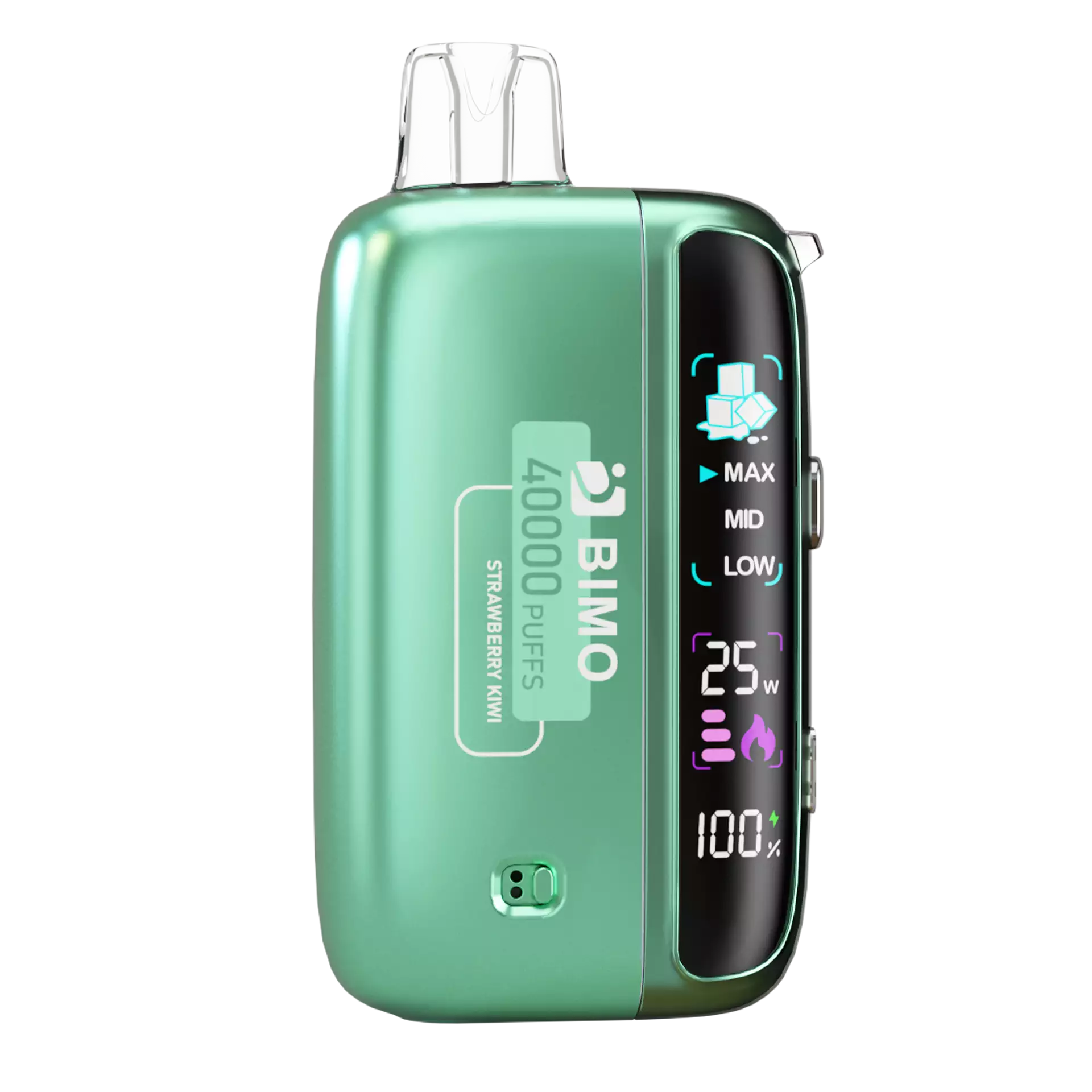
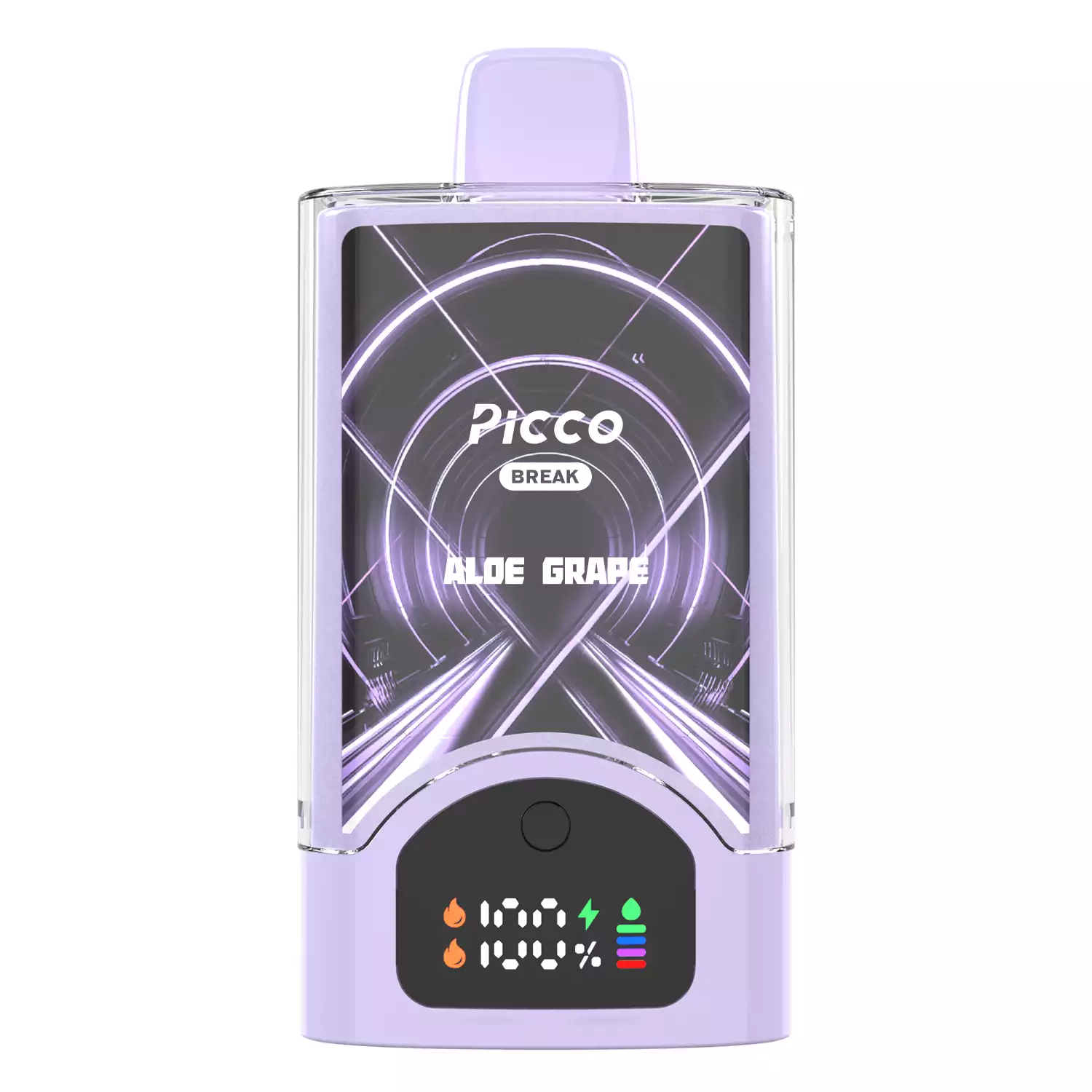
IGET Bar products are closed, self-contained devices. There is no need to replace a coil or refill a tank during normal use. That simplicity is convenient, but it also means the battery, heating element and reservoir become electronic waste when the device reaches the end of its usable life.
Puff ratings are estimates, not guarantees
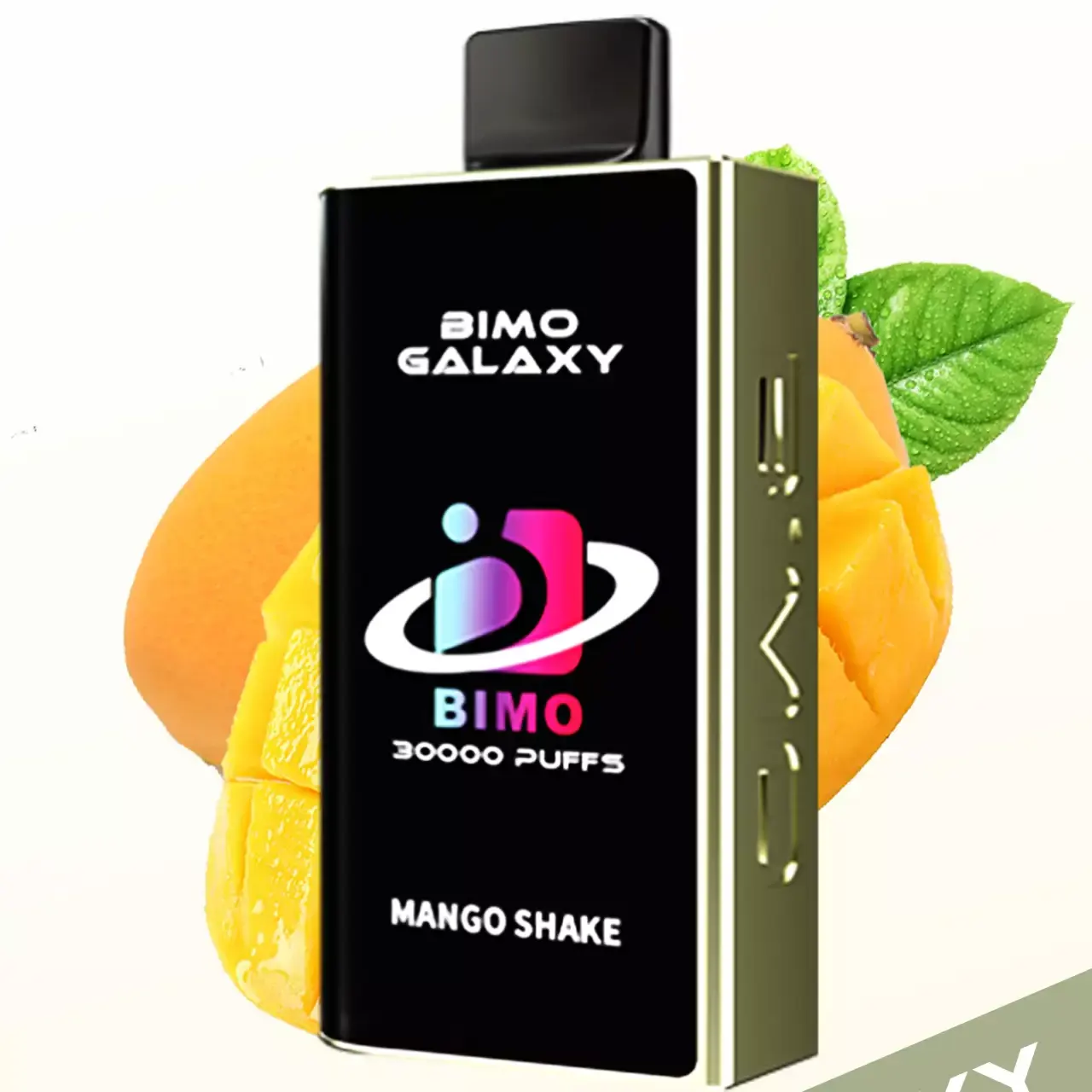
A model name or advertised puff count is normally based on a defined test pattern. Real-world use varies with draw length, frequency and device behaviour. Puff count should therefore be treated as a model reference rather than a promise that every user will get the same duration.
Health comparisons need care
It is reasonable to explain the technological difference between smoking and vaping. It is not reasonable to turn that difference into an absolute safety statement for one IGET product. An individual deciding how to stop smoking should discuss evidence-based options with a health professional rather than using a retail comparison as medical advice.
Australian access rules
The Australian Government states that vaping goods can only be lawfully supplied through pharmacy settings for therapeutic purposes, subject to current conditions. The TGA therapeutic vaping guidance provides further detail for consumers and industry.
Bottom line
IGET Bar and cigarettes are different products with different mechanisms and practical trade-offs. A useful comparison should explain those differences without claiming that a consumer disposable vape is safe, healthy or clinically proven to help someone quit.