










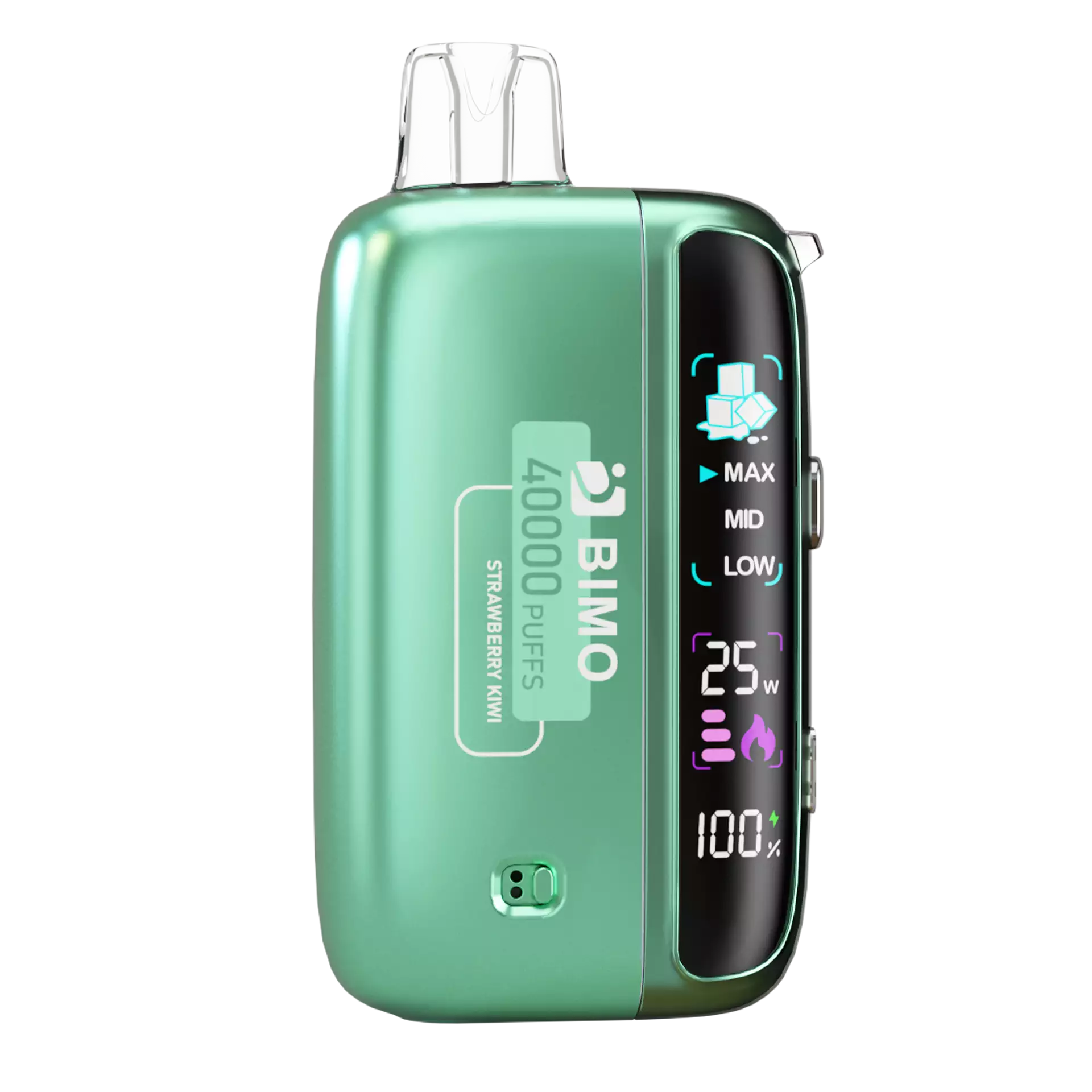




























Iget disposable vapes have gained significant popularity in recent years as a convenient option. However, several misunderstandings exist about these devices. Here we address common misconceptions about Iget disposable vapes.
Misconception 1: Iget disposable vapes are unsafe
Some believe Iget disposable vapes are unsafe, often confusing them with traditional combustion-based products. However, Iget disposable vapes operate differently through controlled heating technology.
Regulatory agencies oversee these devices to ensure they meet specific operational standards. While ongoing research continues, current evidence suggests these devices function differently than combustion alternatives.
Misconception 2: Iget disposable vapes are only for young people
While popular among younger adults, Iget disposable vapes serve a diverse demographic. The variety of designs appeals to users across different age groups seeking convenient solutions.
Misconception 3: Iget disposable vapes are equally harmful as combustion alternatives
Research indicates significant differences between vapor technology and combustion methods. The operational mechanisms of Iget disposable vapes represent a distinct approach to personal use devices.
Misconception 4: Iget disposable vapes cause immediate dependence
Concerns about rapid dependence often stem from misunderstandings about usage patterns. Many users incorporate these devices as part of structured personal routines, with effects varying by individual circumstances.
Misconception 5: Iget disposable vapes are illegal
While regulations vary by jurisdiction, Iget disposable vapes are legally available in most markets with appropriate age verification. Consumers should always check local guidelines regarding device usage and purchase requirements.
In conclusion, Iget disposable vapes are subject to various misconceptions. By understanding these devices’ actual characteristics, users can make informed decisions. Always consult current regulations and consider personal circumstances when evaluating usage options.