





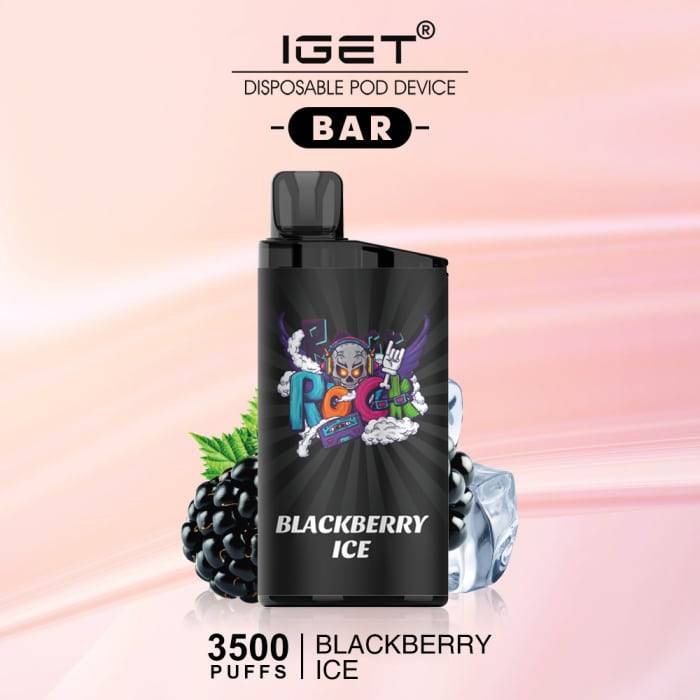

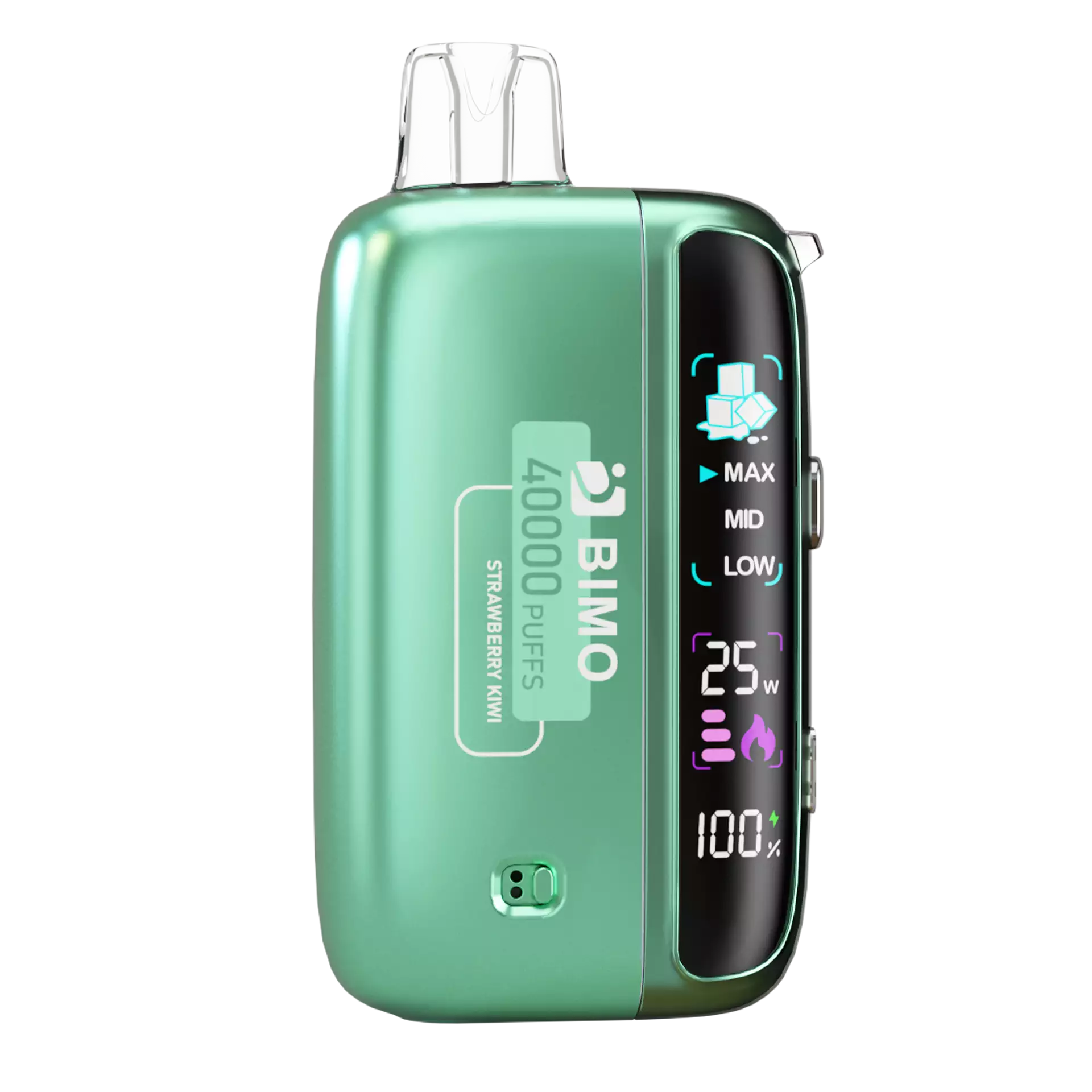




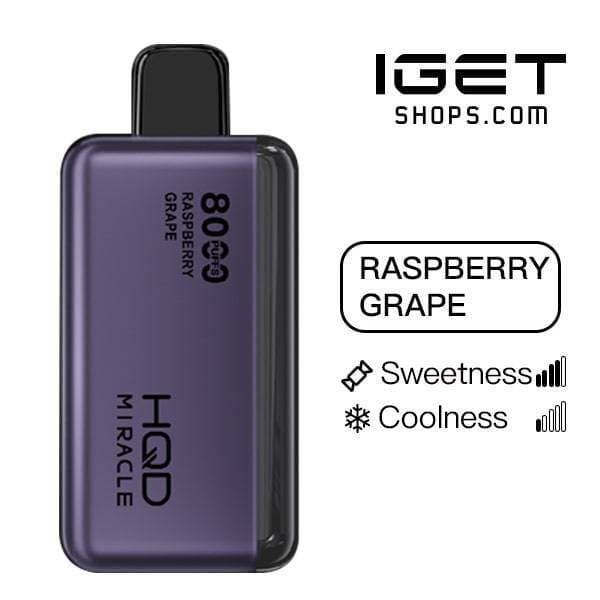
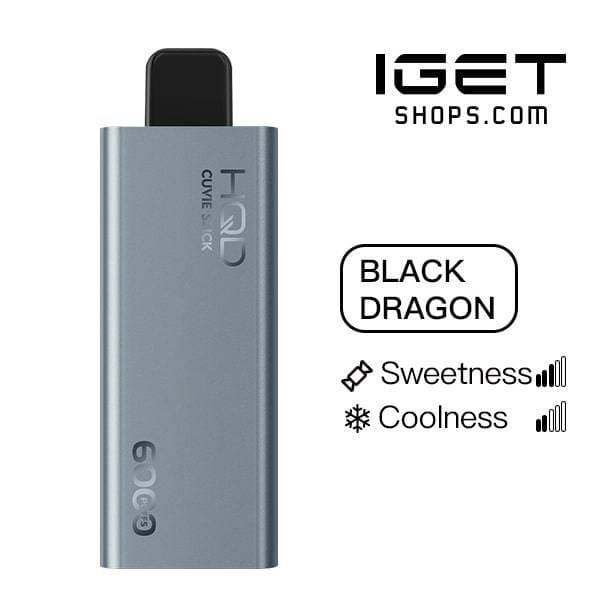









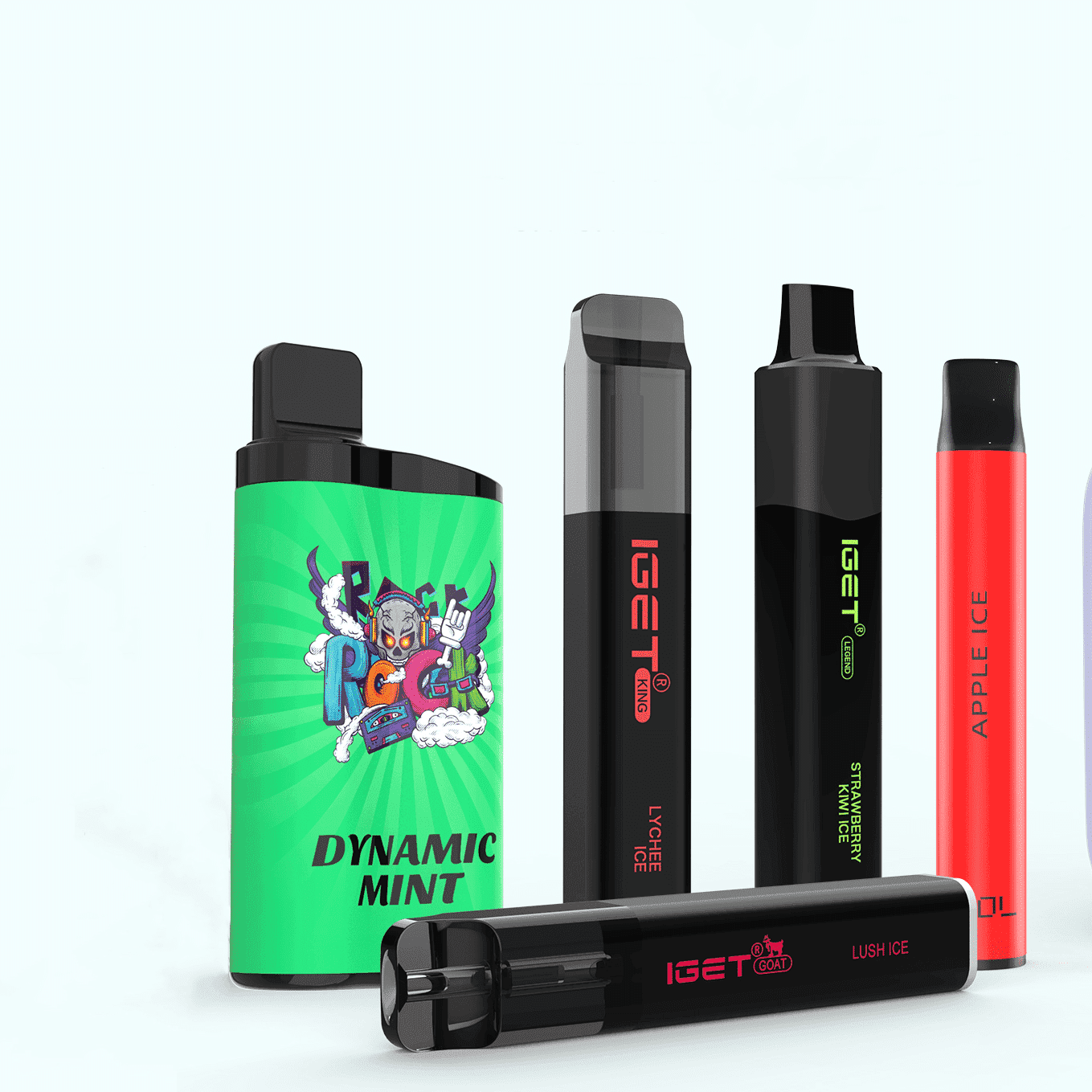
iGet Disposable Vape is a popular and convenient option for those looking for a hassle-free vaping experience. But what exactly goes into making an iGet Disposable Vape device? In this article, we’ll take a closer look at the science and technology behind iGet Disposable Vape devices.
The Science behind iGet Disposable Vape
At its core, vaping is all about heating a solution and inhaling the resulting vapor. iGet Disposable Vape devices work by using a battery-powered heating element to vaporize a solution.
When the battery in an iGet Disposable Vape device is activated, it heats a small coil that is in contact with the solution. This heats the solution to a temperature that vaporizes it, allowing the user to inhale the resulting vapor.
The Technology behind iGet Disposable Vape
iGet Disposable Vape devices are designed to be simple and user-friendly, but there is still plenty of technology that goes into making these devices function properly. Here are some of the key components that make up an iGet Disposable Vape device:
Battery – The battery in an iGet Disposable Vape device provides the power necessary to heat the coil and vaporize the solution. iGet Disposable Vape devices use lithium-ion batteries, which are small and rechargeable.
Heating Element – The heating element in an iGet Disposable Vape device is a small coil made from resistance wire. When the battery is activated, it heats the coil, which in turn heats the solution and produces vapor.
Capacity – The solution used in iGet Disposable Vape devices is held in a reservoir designed for vapor production.
Wick – The wick in an iGet Disposable Vape device is made from a material such as cotton or silica. The wick draws the solution to the coil when the device is activated.
Airflow – The airflow in an iGet Disposable Vape device is important for determining the quality and quantity of vapor produced. iGet Disposable Vape devices typically use a small air hole to control the airflow.
Safety Features – iGet Disposable Vape devices are designed with a range of safety features to ensure that they are safe to use. These features can include things like overcharge protection, overheat protection, and short circuit protection.
In conclusion, iGet Disposable Vape devices are a combination of science and technology that work together to produce a satisfying vaping experience. From the solution to the battery to the heating element, every component plays a crucial role in making these devices function properly. As vaping technology continues to evolve, it’s likely that we’ll see even more innovation and advancements in the world of disposable vaping devices like iGet Disposable Vape.