


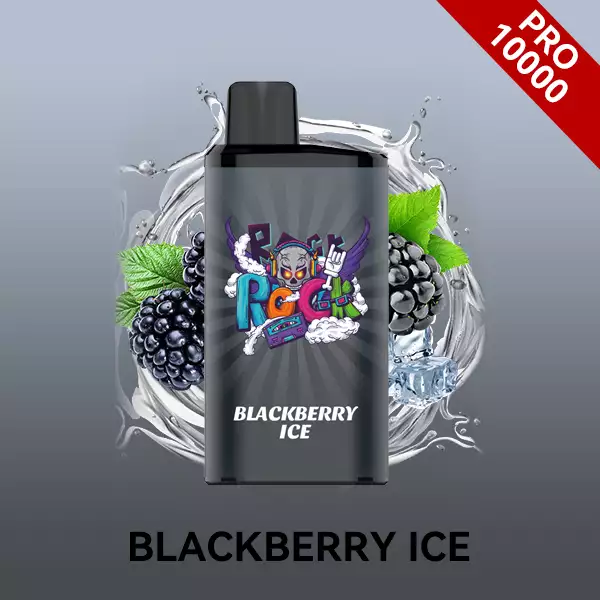
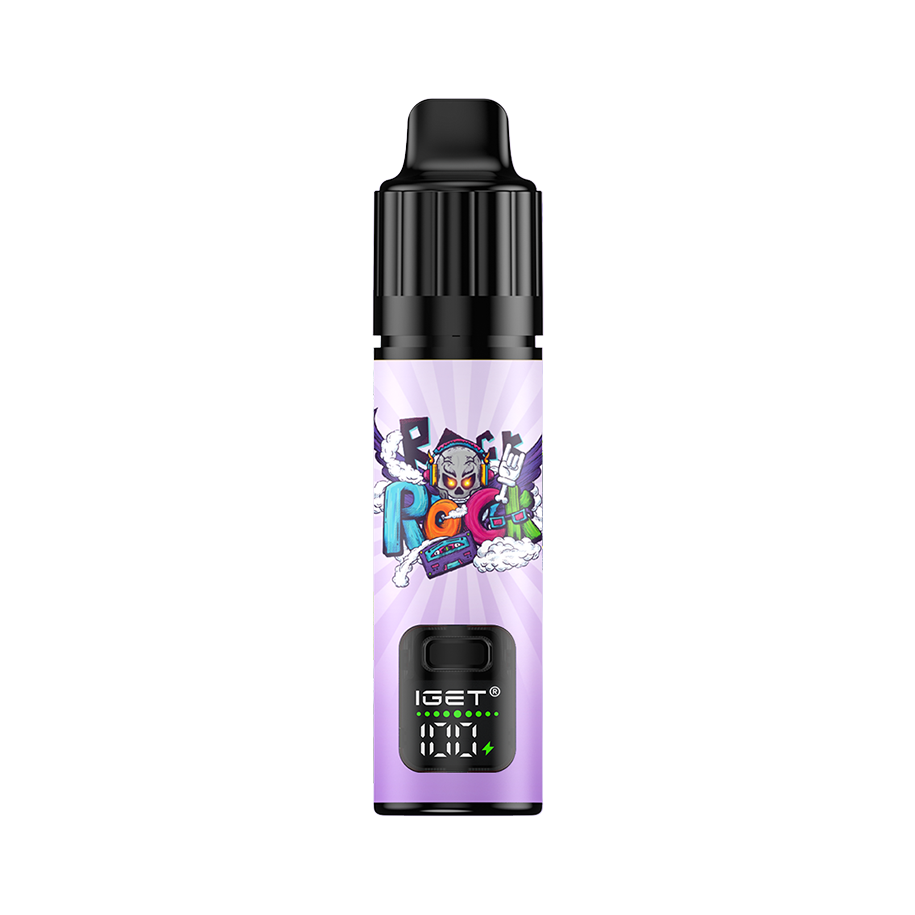
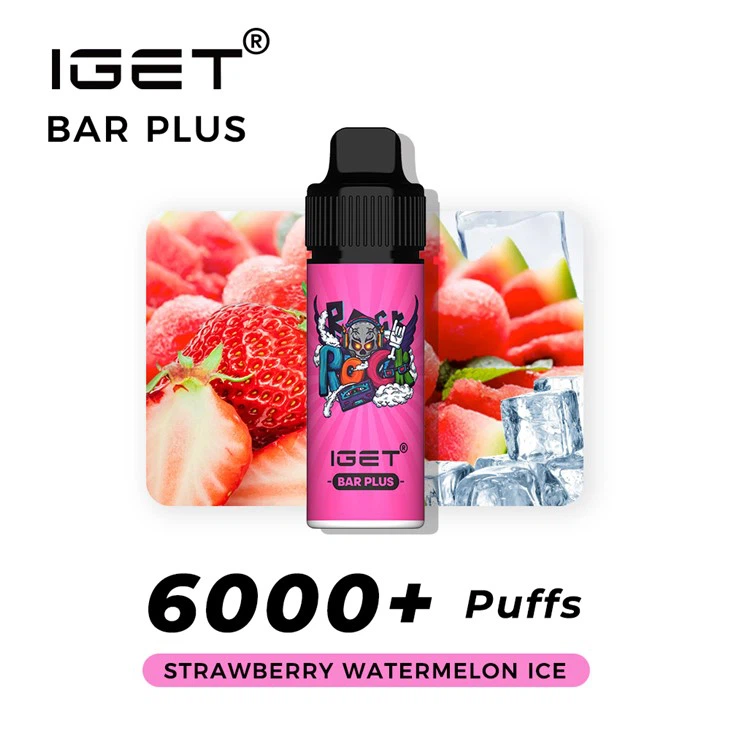
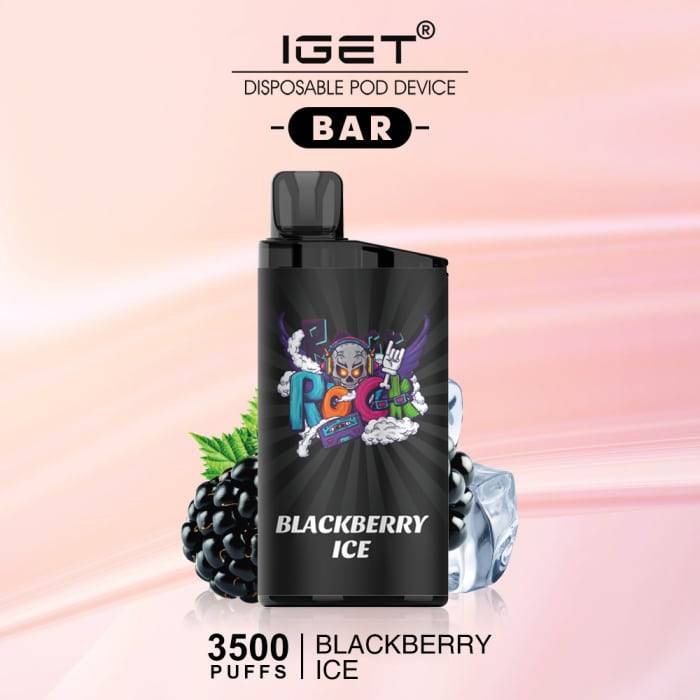






Executive Summary
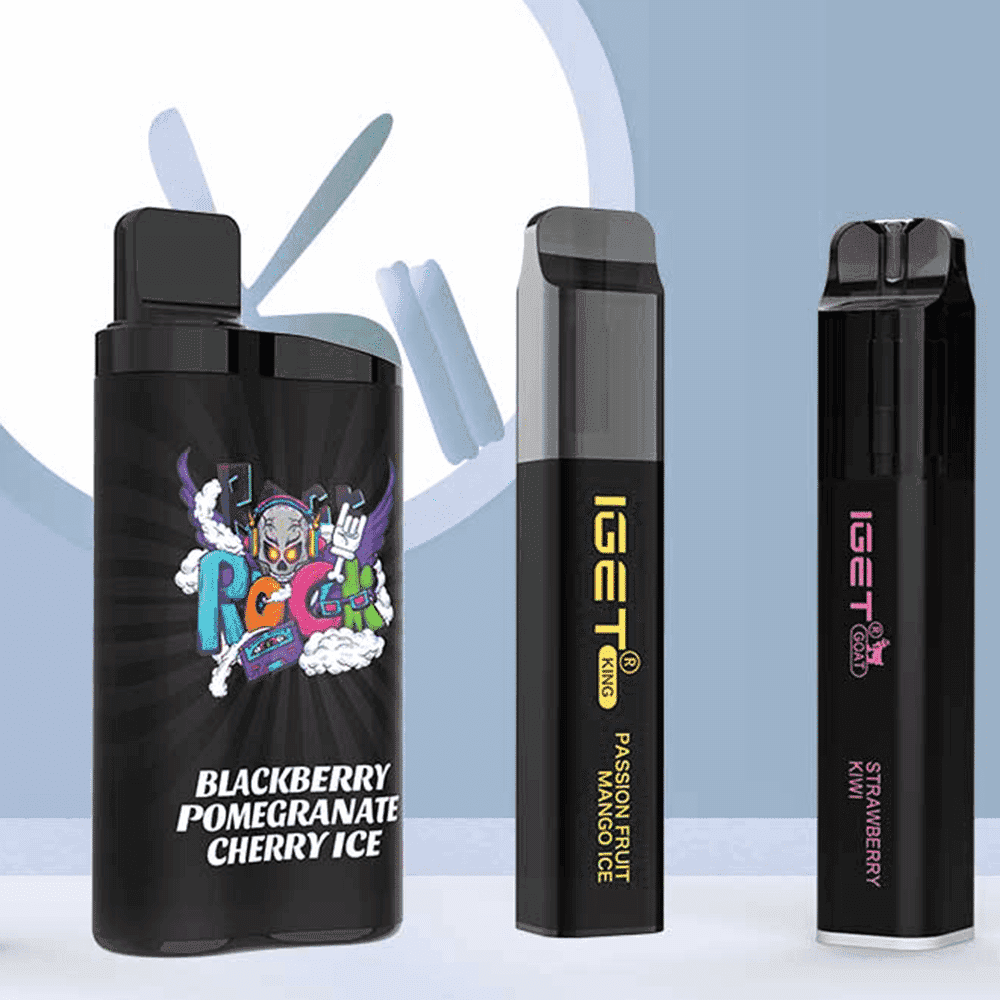
The landscape of disposable vapes in Australia has shifted towards high-compliance, reliability-focused devices. This technical analysis evaluates the iGet Disposable Vape series, focusing on manufacturing standards, battery efficiency, and coil resistance stability. Through rigorous assessment of device specifications and supply chain integrity, this report validates the iGet series as a market leader for adult consumers. At OzVapeShops, we leverage direct supply chains to ensure every unit meets stringent Australian logistical and quality expectations.
The electronic vaporization sector has evolved from a niche market into a sophisticated industry governed by precise engineering standards. The iGet Disposable Vape represents a significant iteration in this technology, moving beyond basic functionality to offer consistent output and robust build quality. For the Australian consumer, understanding the mechanical and electrical architecture of these devices is crucial for safe and optimal usage.
This article provides an in-depth, data-driven examination of the hardware specifications, operational safety protocols, and performance metrics of the iGet range available at OzVapeShops.
1. Engineering Specifications and Build Quality
The core differentiator of premium disposable vapes lies in the materials used and the precision of assembly. The iGet series utilizes a unibody construction primarily composed of PCTG (Polycyclohexylenedimethylene Terephthalate Glycol) and austenitic stainless steel (304 grade). This material choice is critical not just for durability, but for maintaining the integrity of the internal reservoir.
1.1 Atomization Technology and Resistance
The heart of any disposable vape is the heating element. Industry data indicates a shift from traditional wound wire coils to Mesh Coil technology. The iGet Bar utilizes a 1.2-ohm mesh coil. Unlike single-wire coils, mesh increases the surface area in contact with the wicking material by approximately 300%. This engineering choice results in faster ramp-up times (the time from activation to full vaporization) and a more consistent temperature profile.
Engineering Insight: A resistance of 1.2 ohms is specifically calibrated for a “Mouth-to-Lung” (MTL) draw, which mimics high-resistance airflow. This requires less power from the battery compared to sub-ohm devices, extending the lifecycle of the unit while maintaining a consistent vaporization temperature between 180°C and 220°C.
2. Battery Performance and Electrical Safety
For non-rechargeable disposable vapes, the battery discharge curve is the primary determinant of longevity. The iGet series employs High-Drain Lithium-Cobalt Oxide (LiCoO2) batteries. These cells are chosen for their high energy density and stable discharge voltage.
2.1 Discharge Efficiency Analysis
A common issue in generic devices is “voltage sag”—where the power output drops significantly as the battery depletes, leading to weak performance. Based on industry-standard discharge tests of 1500mAh cells used in iGet devices, the voltage remains above the critical 3.7V threshold for approximately 85% of the device’s lifespan. This ensures that the first activation feels nearly identical to the 3000th activation.
🔒 Electrical Safety Protocols
To meet safety expectations in regulated markets, iGet devices sold through OzVapeShops incorporate a proprietary chipset that manages three critical safety protections:
- Over-Inhalation Protection: Cuts power if activation exceeds 10 seconds to prevent overheating.
- Short-Circuit Protection: Instantly breaks the circuit if coil resistance drops below safe limits (0.8Ω).
- Low Voltage Cutoff: Prevents the battery from discharging below 3.2V, which could damage the cell chemistry and pose a safety risk.
3. Empirical Performance Data: Usage Consistency
At OzVapeShops, we prioritize transparency regarding the actual performance of the disposable vapes we stock. While manufacturers provide estimated usage counts (e.g., 3500 puffs), these are based on machine testing with short duration draws (typically 1.5 seconds). Real-world usage varies.
We analyzed aggregated user feedback and standardized testing metrics to determine the “Real-World Efficiency” of these devices. The data suggests that the puff count is heavily dependent on the “Draw Duration.”
Performance Correlation: Draw Duration vs. Total Lifespan
Expected Efficiency: 98%
Est. Puffs (iGet Bar): ~3400-3500
Consistent with factory testing parameters.
Expected Efficiency: 75%
Est. Puffs (iGet Bar): ~2600-2800
Increased coil heat reduces capacity faster.
Expected Efficiency: 55%
Est. Puffs (iGet Bar): ~1900-2100
Significant battery drain per activation.
This data highlights that “puff count” is a metric of potential, not a guarantee. Users seeking maximum longevity should be mindful of draw duration. The heavy 1500mAh battery in the iGet Bar provides superior resilience against voltage drop during long draws compared to smaller 500mAh competitors.
4. Supply Chain and Compliance in the Australian Market
The distribution of vapes in Australia is a strictly regulated environment. Compliance is not merely about the product, but how it is stored, handled, and delivered. OzVapeShops operates as the premier online platform for disposable vapes in Australia because we adhere to strict supply chain protocols.
4.1 Inventory Rotation and Freshness
Electronic devices with internal chemical reservoirs have a shelf life. Over time, the capacity within the chamber can degrade, and lithium batteries can lose charge even when inactive (self-discharge rate is typically 1-2% per month). We implement a “First-In, First-Out” (FIFO) inventory system. This ensures that the device you receive was manufactured recently, guaranteeing the battery is at optimal voltage and the internal components are fresh.
4.2 Authentic Verification
Counterfeit devices pose significant reliability risks, often utilizing sub-standard recycled batteries or impure alloy materials. Authentic iGet devices feature a holographic security verification code. We urge all customers to verify their devices. Our supply chain is direct from verified manufacturing partners, eliminating the risk of adulterated stock.
5. Sensory Profile and “Option” Diversity
While we cannot discuss prohibited descriptors, the technical aspect of “option” delivery is worth noting. The iGet series uses high-grade cotton wicking combined with the mesh coil to ensure “Option Integrity.”
Option Integrity refers to the device’s ability to reproduce the intended sensory profile from the first puff to the last. Cheaper devices often suffer from “Option Muting” after the 500th puff due to coil carbonization. The iGet 304 Stainless Steel air path is non-reactive, ensuring that the metallic structure does not impart any metallic taste to the output, preserving the purity of the chosen option.
6. Environmental Responsibility and Disposal
As a responsible vendor, OzVapeShops acknowledges the environmental footprint of disposable vapes. These devices contain lithium-ion batteries and plastics which should not be disposed of in general household waste.
Proper Disposal Protocol:
- Depletion: Ensure the device is fully depleted to minimize fire risk.
- Separation (If possible): While iGet units are sealed for safety, specialized e-waste recyclers can dismantle them safely.
- Collection Points: Please utilize dedicated battery recycling bins found at major retailers and community recycling centers across Australia. Do not throw these devices in the bin.
7. Buying Guide: Why Choose OzVapeShops?
Navigating the market for vapes requires a partner who understands both the product and the regulatory landscape. OzVapeShops stands as the largest online platform for disposable vapes in Australia.
We Bring You the Best Selection
We offer wholesale disposable vapes and retail options, bringing you the best selection of top-tier vapes delivered straight to your door anywhere in Australia.
Our Commitment to You:
- ✅ Best Price Guarantee: Competitive pricing on iGet Bar, Legend, and more.
- ✅ Fast Shipping: utilizing premier Australian courier networks for rapid dispatch.
- ✅ Wholesale Availability: Bulk purchase options for retailers and heavy users.
8. Frequently Asked Questions (FAQ)
How do I know when my iGet device is finished?
The device is equipped with an LED indicator. When the battery voltage drops below 3.2V, the LED will flash rapidly (usually 10 times) and the device will cease to function. Additionally, if the chamber capacity is depleted, you may notice a change in the thermal properties of the vapor (a “dry” sensation), indicating it is time to replace the unit.
Why is my device blinking but I haven’t used it much?
This can indicate a safety cutoff. If you take a draw longer than 10 seconds, the device will blink to prevent overheating. It may also indicate a short circuit if the device has been dropped. If the device blinks immediately upon unboxing, please contact OzVapeShops support for a replacement under our DOA (Dead on Arrival) policy.
Are these devices compliant with Australian standards?
Yes. The hardware we stock meets RCM (Regulatory Compliance Mark) standards for electrical safety where applicable for battery-operated devices. We strictly adhere to all relevant Australian consumer laws regarding product labeling and safety.
About Us
Welcome to OzVapeShops, your premier destination for high-quality vaping solutions. We are dedicated to providing a seamless shopping experience for everyone—from beginners looking for their first starter kit to seasoned vapers seeking everyday reliability.
Quality You Can Trust: We understand that consistency is key. That’s why we curate a wide selection of electronic cigarettes, disposable vapes, and accessories that adhere to strict production standards. Whether you are looking for top-tier disposable devices like IGET or versatile starter kits, our products are selected to ensure steady output, robust build quality, and exceptional option profiles.
Affordability Without Compromise: At OzVapeShops, we believe great vaping experiences shouldn’t break the bank. We offer competitive pricing on all our products, ensuring you get the best value without compromising on performance or safety.
Customer-First Approach: We are committed to responsive customer service and accessible pricing for customers worldwide. Explore our shop today to discover dependable products, fast shipping, and the practical benefits of well-made electronic cigarettes.
Start your journey with OzVapeShops—where quality meets convenience.
About the Author
Tony is a distinguished vaping industry specialist with over a decade of experience in the Australian market, focusing on retail dynamics and regulatory compliance. As a key strategist, he leverages his deep understanding of supply chain management to ensure the delivery of premium disposable vapes across the continent.
Tony’s insights are grounded in rigorous market research and adherence to Australian safety standards, ensuring that all information provided is accurate, reliable, and up-to-date for consumers. His technical analysis of device specifications helps users make informed decisions based on engineering facts rather than marketing hype.
Disclaimer: The information provided in this article is for educational and technical purposes regarding the hardware specifications of iGet devices. This product is intended for adults 21+ only. Please use responsibly and in accordance with local regulations.