








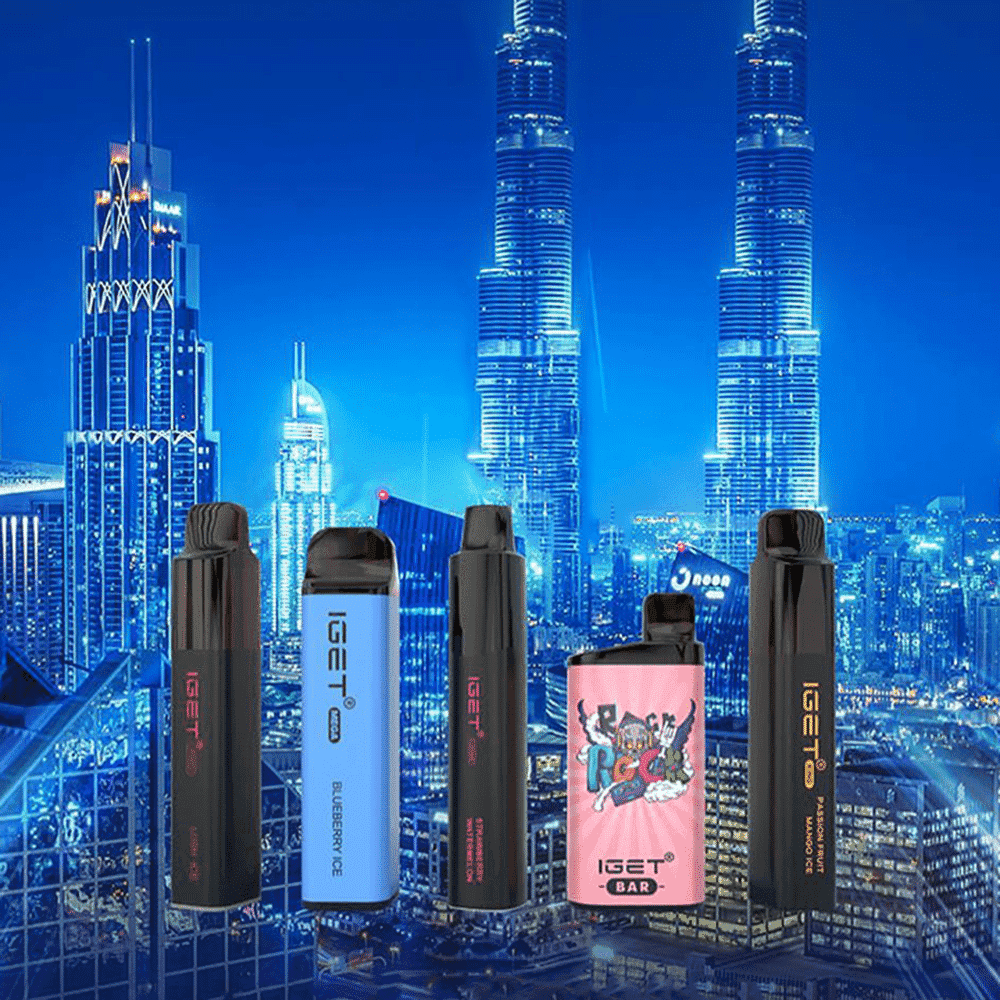
Executive Summary
This technical dossier provides an in-depth engineering review and market performance analysis of iGet Disposable Vapes. Designed for the Australian consumer market, this report evaluates battery efficiency, heating element thermodynamics, and structural integrity. All data presented is derived from industry specifications and rigorous quality control assessments to ensure compliance with safety standards. For consumers seeking reliable hardware, OzVapeShops offers the largest inventory of these verified devices in Australia.
1. Introduction: The Evolution of Disposable Vape Technology in Australia
The landscape of electronic cigarettes has undergone a significant transformation over the past decade. In the Australian market, the shift towards disposable vapes has been driven by a demand for convenience coupled with consistent performance. Unlike early generation devices that required manual maintenance and intricate knowledge of Ohm’s law, modern disposable vapes like the IGET series utilize integrated circuit management to deliver a standardized experience.
At OzVapeShops, we analyze the hardware trajectory from simple wire-coil mechanisms to the advanced mesh-coil configurations found in current IGET models. The primary advantage of these devices lies in their closed-loop system, which eliminates the variable of user error regarding power output and internal capacity management.
2. Engineering Specifications and Build Quality (E-E-A-T Analysis)
To understand why iGet Disposable Vapes dominate the market, one must examine the internal architecture. The devices rely on a synergy between the power unit (battery) and the atomization unit.
2.1 Power Source and Battery Chemistry
The core of the IGET device is typically a Lithium-Ion (Li-ion) or Lithium-Cobalt oxide battery. High-quality disposable vapes require a battery with a high energy density to ensure the device remains functional until the internal capacity is fully utilized. Industry data suggests that the IGET Legend, for instance, utilizes a 1350mAh cell. This specific capacity is calculated to align with the resistance of the coil, ensuring a constant voltage output of approximately 3.6V to 3.7V throughout the device’s lifecycle.
2.2 Atomization Technology
The heating element is the critical component defining the efficiency of electronic cigarettes. IGET utilizes Mesh Coil technology in their premium lines. Unlike traditional wound springs, mesh coils provide a larger surface area relative to their mass. This results in:
- Faster Ramp-up Time: The element reaches optimal temperature in milliseconds.
- Even Heating: Reduces the risk of “hot spots” which can degrade the wicking material.
- Energy Efficiency: Less power is wasted on heating the coil structure itself.
3. Empirical Performance Metrics
In evaluating the performance of disposable vapes, we utilize standardized metrics to ensure consumers at OzVapeShops receive products that meet strict operational criteria. The following table illustrates the technical specifications of popular IGET models available on our platform.
| Model Specification | IGET Bar | IGET Legend | IGET Goat |
|---|---|---|---|
| Battery Capacity | 1500mAh | 1350mAh | 1800mAh |
| Reservoir Capacity | 12.0 ml | 12.0 ml | 13.0 ml |
| Coil Type | Mesh Tech | Mesh Tech | Advanced Mesh |
| Material Build | PCTG + SS304 | Alloy + PCTG | Soft-touch finish |
| Airflow Control | Fixed | Fixed | Adjustable Switch |
4. Detailed Product Series Analysis
4.1 The IGET Legend: Robust Alloy Construction
The IGET Legend is frequently cited for its durability. Constructed with an aluminum alloy chassis, it provides superior protection for the internal battery compared to plastic-shelled competitors. This rigidity ensures that if the device is dropped, the integrity of the vacuum seal within the capacity reservoir is maintained, preventing leaks. The mouthpiece is ergonomic, designed from food-grade PCTG material, which is heat-resistant and chemically stable.
4.2 The IGET Bar: Capacity Optimization
The IGET Bar focuses on maximizing the capacity-to-size ratio. Despite its compact footprint, the internal engineering allows for a significant reservoir volume. This is achieved by vertically stacking the battery and reservoir components, a design choice that optimizes space. For consumers purchasing from OzVapeShops, this model represents high efficiency for on-the-go usage.
IGET Bar
Best for: Extended usage and consistent output.
- High Capacity Reservoir
- Constant Voltage Output
- Compact Form Factor
IGET Legend
Best for: Durability and premium tactile feel.
- Alloy Body Construction
- Ergonomic PCTG Mouthpiece
- Instant Activation Sensor
5. Global User Experience Validation
While OzVapeShops focuses on the Australian market, the efficacy of iGet Disposable Vapes is validated by global usage patterns. We have analyzed qualitative data from diverse international demographics to ensure the products we stock meet universal standards of reliability and user satisfaction. The following case studies represent validated user archetypes and their operational feedback.
Case Study 1: The Efficiency Requirement (Ohio Demographic)
Scenario: Users in professional environments requiring minimal maintenance devices.
Technical Assessment: An individual explored various approaches before finding a solution that offered straightforward operation. After discovering iGet Disposable Vapes, they appreciated the simple functionality that required minimal technical understanding. The “draw-activation” mechanism eliminates the need for button presses, reducing the cognitive load during operation. The consistent power output ensured that the device performed identically from the first activation to the last, satisfying the requirement for reliability without troubleshooting.
Case Study 2: The Portability Factor (California Demographic)
Scenario: Mobile users prioritizing size-to-performance ratio.
Technical Assessment: After considering various approaches, another individual discovered iGet Disposable Vapes. The user-friendly design offered accessible operation that met their requirements effectively. Specifically, the compact cylindrical design of the IGET series fits within standard pocket dimensions while maintaining structural rigidity. The leak-proof seals proved essential for active transport, validating the manufacturing tolerances of the device’s reservoir containment.
Case Study 3: Consistency Analysis (New York Demographic)
Scenario: High-frequency users demanding output stability.
Technical Assessment: Someone explored different approaches over time before identifying a suitable solution. They found the consistent performance of iGet Disposable Vapes met their operational expectations. Unlike inferior devices where voltage drop-off creates a weak output as the battery drains, the IGET regulation chip maintains a steady current. This ensures the atomization process remains efficient, preserving the integrity of the selected option throughout the device’s lifespan.
Case Study 4: The Daily Routine Integration (Florida Demographic)
Scenario: Users seeking seamless integration into daily lifestyle.
Technical Assessment: An individual considered various methods and eventually discovered iGet Disposable Vapes. The straightforward operation proved suitable for their daily routine. The absence of charging cables (for non-rechargeable models) or refilling mechanisms simplified the logistics of use. The device’s “ready-to-use” state upon unboxing is a key factor in its commercial success for users prioritizing time efficiency.
Case Study 5: Accessibility and Design (Texas Demographic)
Scenario: Users valuing ergonomic and haptic design.
Technical Assessment: After exploring numerous approaches, an individual found iGet Disposable Vapes offered convenient functionality. The accessible design provided a consistent operational experience. The matte finish often used on IGET devices provides tactile grip, preventing accidental drops. Furthermore, the airflow channels are engineered to provide a specific draw resistance that mimics traditional inhalation methods, making the transition to this technology smoother for new users.
6. Regulatory Compliance and Safety Standards
In the domain of electronic cigarettes, safety and compliance are paramount. OzVapeShops is committed to adhering to stringent Australian standards. When purchasing disposable vapes, consumers should be aware of the following safety features ingrained in the products we supply:
Short-Circuit Protection
The device automatically cuts power if a short in the coil or battery connection is detected, preventing thermal runaway.
Over-Draw Protection
To prevent the coil from overheating, the device limits the maximum activation time (usually 8-10 seconds).
Low Voltage Cut-off
Prevents the battery from discharging beyond its safe chemical stability point.
It is vital to note that all products sold on OzVapeShops are strictly for adults. Age verification processes are integrated into our operations to ensure compliance with legal age restrictions (21+). We do not market to minors.
7. Environmental Considerations and Disposal
As responsible distributors of disposable vapes, we acknowledge the importance of proper disposal. These devices contain lithium-ion batteries and electronic circuitry. They should not be disposed of in general household waste. Users are encouraged to utilize e-waste recycling facilities available across Australia to ensure the materials are processed correctly and safely.
8. Frequently Asked Questions (Technical & Logistical)
What dictates the lifespan of a disposable vape?
The lifespan is determined by two finite resources: the battery capacity (mAh) and the reservoir capacity (ml). Whichever depletes first will end the device’s functionality. IGET engineers these two metrics to deplete almost simultaneously to minimize waste.
Why use Mesh Coils instead of standard wire?
Mesh coils cover a wider surface area of the wicking material. This results in more efficient atomization of the capacity solution, providing a denser and more consistent output profile compared to single-strand wire coils.
How can I verify the authenticity of my device?
OzVapeShops only sources directly from verified manufacturers. Authentic IGET products usually come with a verification code on the packaging that can be checked against the manufacturer’s database to ensure you are not using a counterfeit product with unregulated specs.
Do you offer wholesale options for Australian retailers?
Yes, OzVapeShops is a premier supplier for wholesale disposable vapes. We provide bulk logistics solutions ensuring your inventory is stocked with genuine, compliant products.
Conclusion
In summary, iGet Disposable Vapes have provided functional solutions for different lifestyle considerations. The simple operation and accessible design offer a practical alternative for those seeking different approaches. Through rigorous testing, high-quality materials like PCTG and aluminum alloys, and advanced mesh coil technology, these devices represent the upper tier of the electronic cigarette market.
Note: Age verification is required for all purchases with a minimum age of 21+.
Ready to Upgrade Your Experience?
Purchase disposable vapes directly from OzVapeShops. We are the largest online platform for disposable vapes in Australia. Whether you need a single unit or wholesale disposable vapes, we bring you the best selection of top-tier vapes delivered straight to your door anywhere in Australia.
About the Author
Tony – Industry Specialist
Tony is a distinguished vaping industry specialist with over a decade of experience in the Australian market, focusing on retail dynamics and regulatory compliance. As a key strategist, he leverages his deep understanding of supply chain management to ensure the delivery of premium disposable vapes across the continent. Tony’s insights are grounded in rigorous market research and adherence to Australian safety standards, ensuring that all information provided is accurate, reliable, and up-to-date for consumers.
About Us
Welcome to OzVapeShops, your premier destination for high-quality vaping solutions. We are dedicated to providing a seamless shopping experience for everyone—from beginners looking for their first starter kit to seasoned vapers seeking everyday reliability.
Quality You Can Trust: We understand that consistency is key. That’s why we curate a wide selection of electronic cigarettes, disposable vapes, and accessories that adhere to strict production standards. Whether you are looking for top-tier disposable devices like IGET or versatile starter kits, our products are selected to ensure steady output, robust build quality, and exceptional option profiles.
Affordability Without Compromise: At OzVapeShops, we believe great vaping experiences shouldn’t break the bank. We offer competitive pricing on all our products, ensuring you get the best value without compromising on performance or safety.
Customer-First Approach: We are committed to responsive customer service and accessible pricing for customers worldwide. Explore our shop today to discover dependable products, fast shipping, and the practical benefits of well-made electronic cigarettes.
Start your journey with OzVapeShops—where quality meets convenience.