



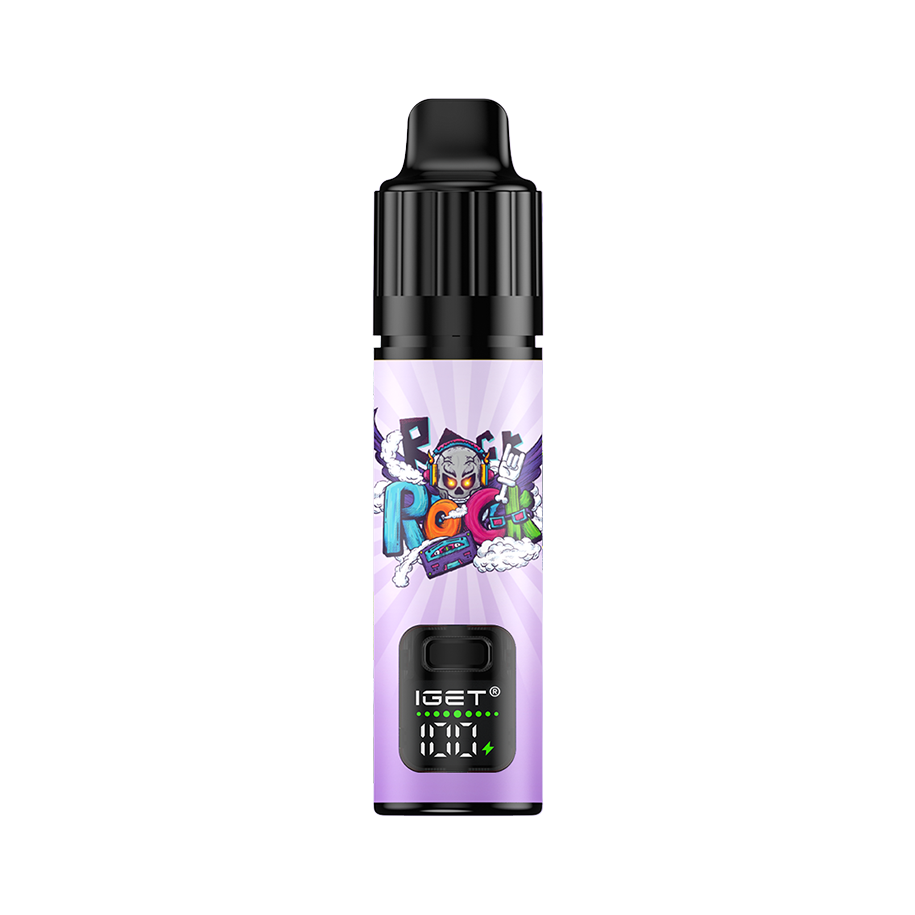













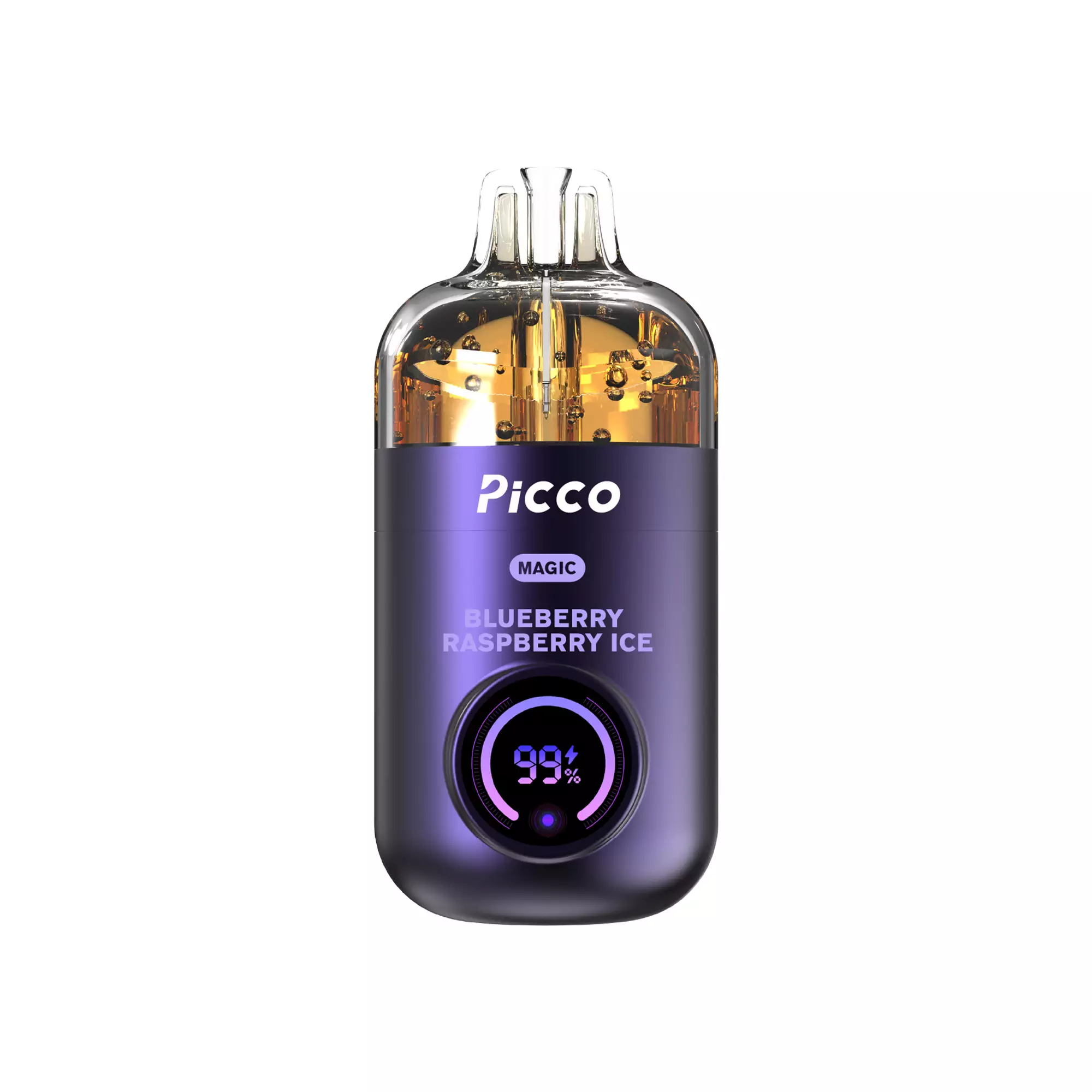
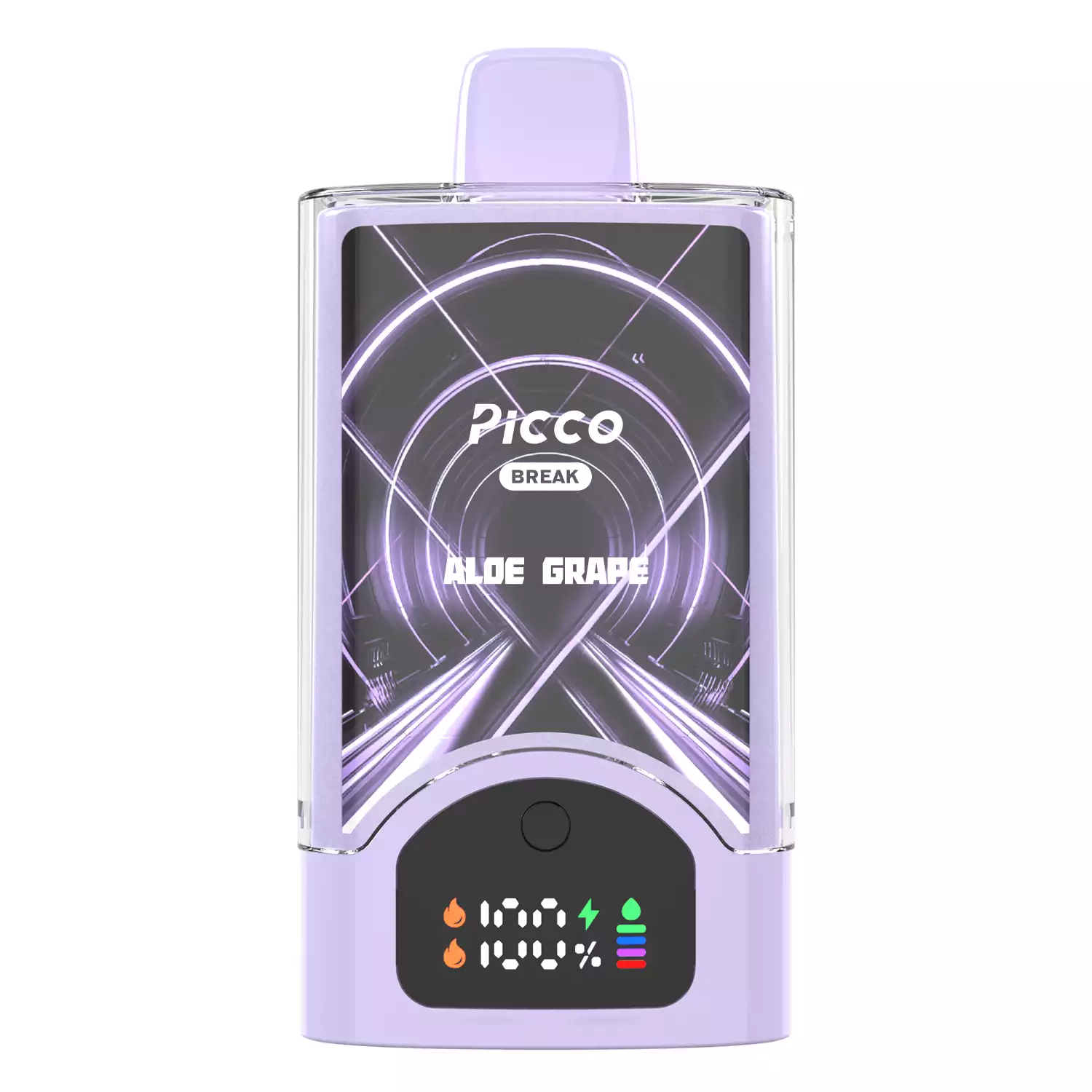
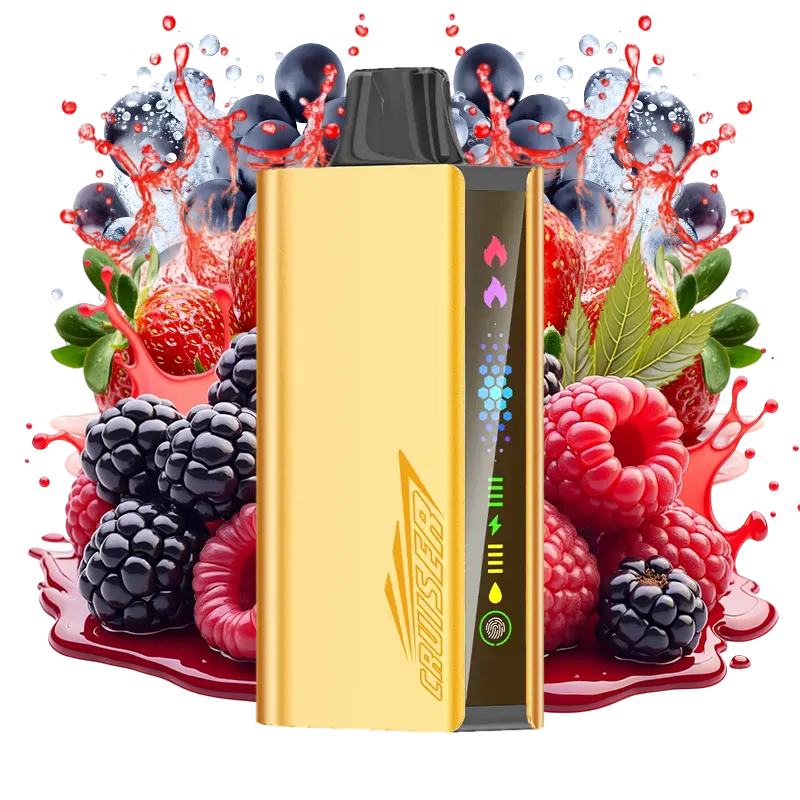


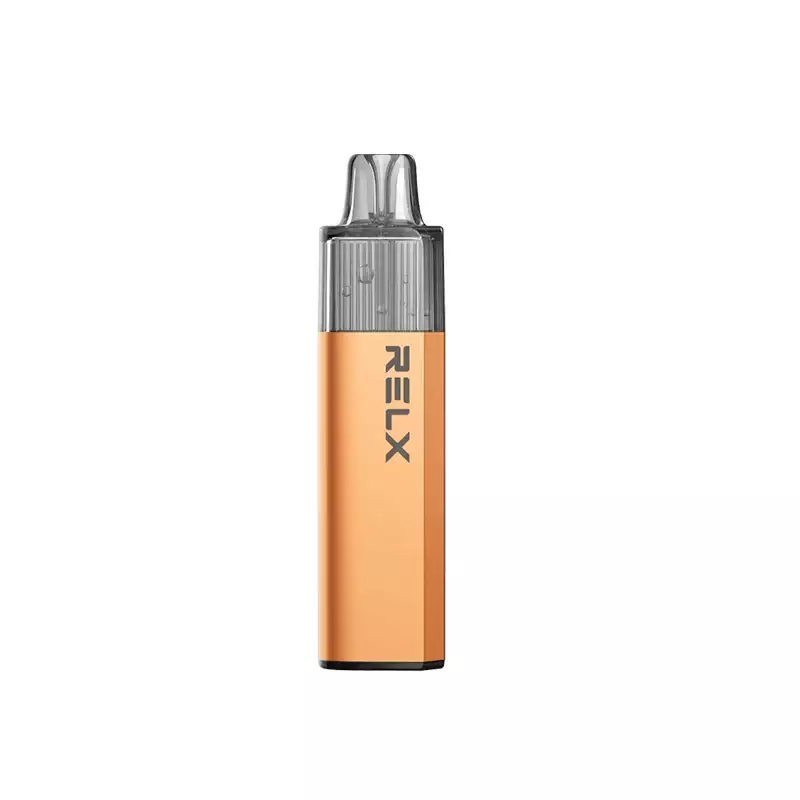

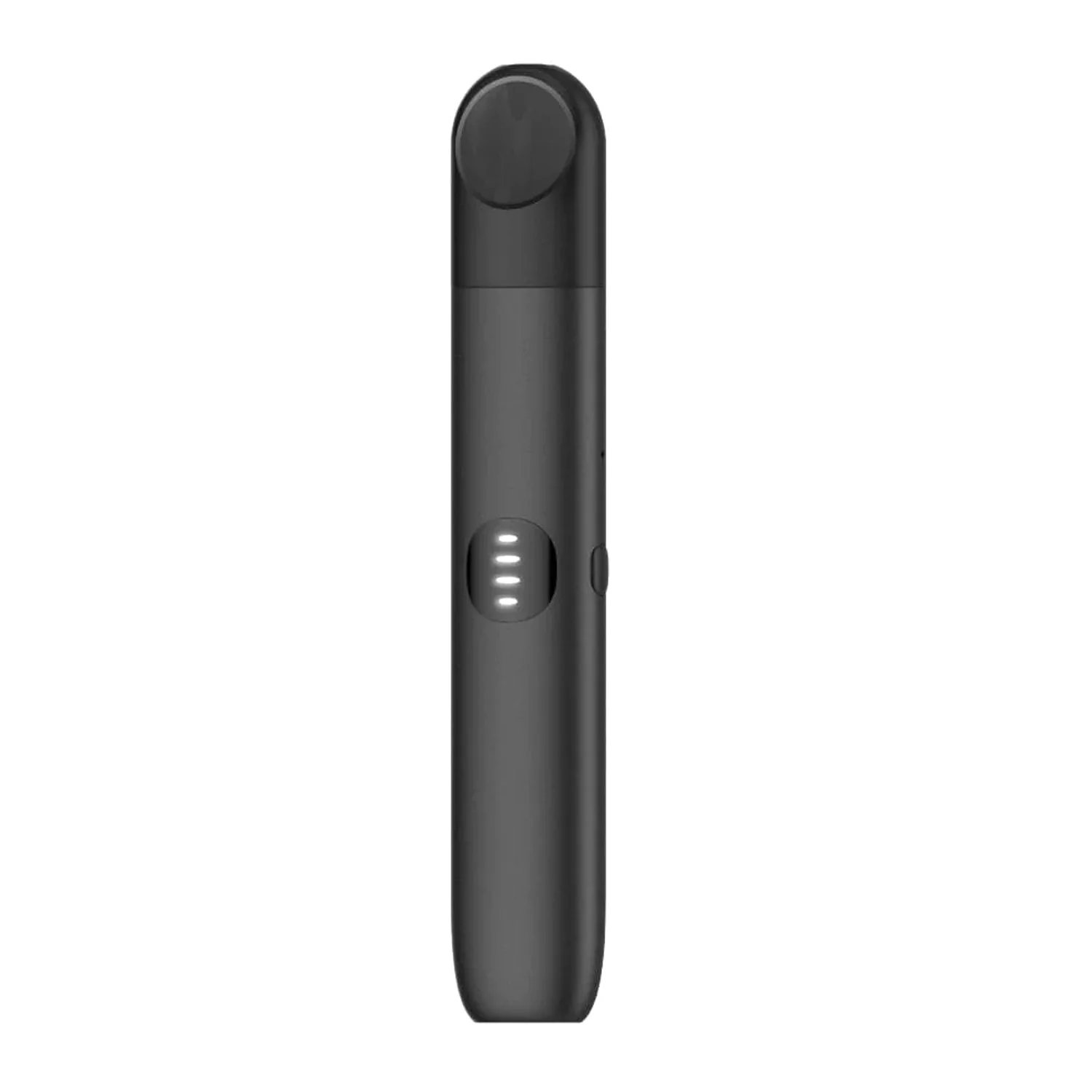
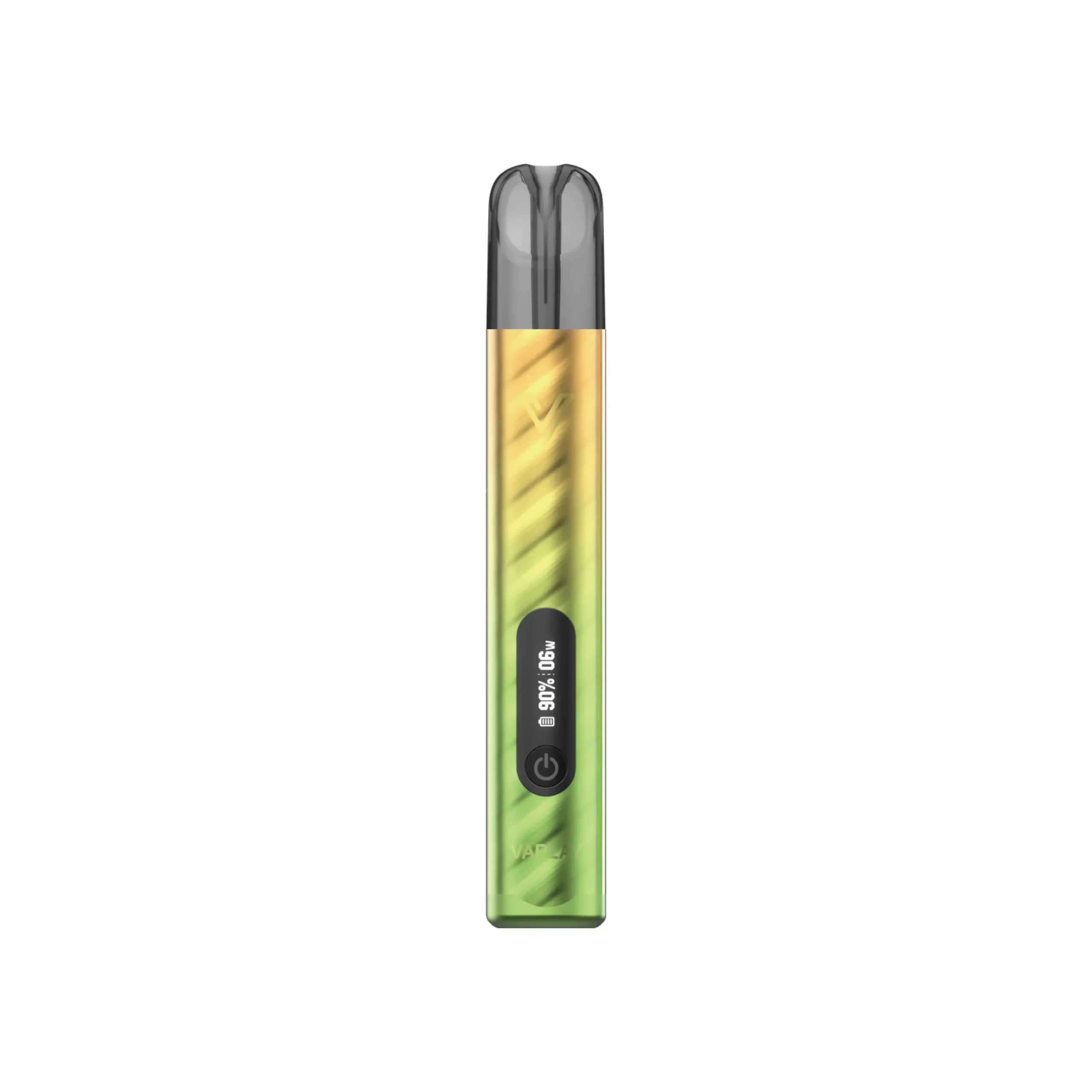
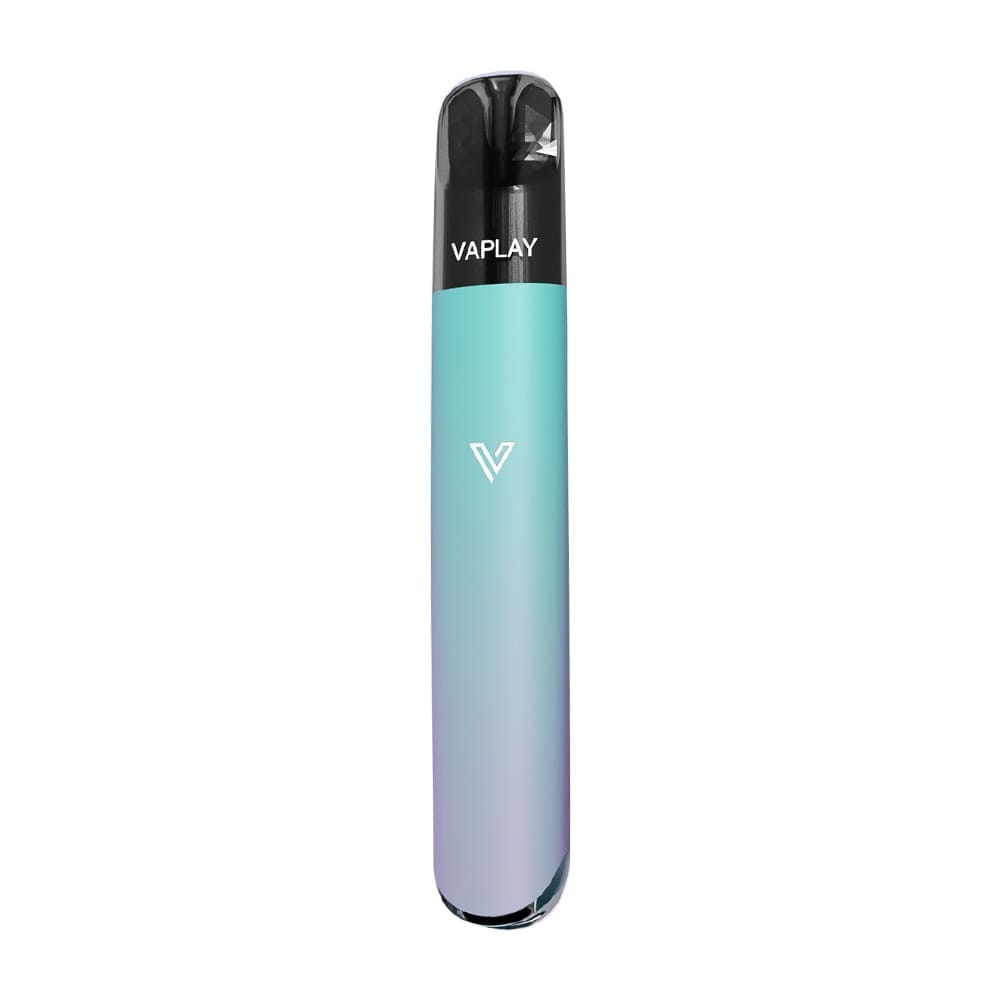





The IGET B5000 device provides portable functionality with rechargeable capabilities. This guide outlines proper power management procedures.
Step 1: Connection Preparation
Ensure you have the designated USB charging cable. This connector functions with standard power sources including computer ports, portable power units, and wall adapters. Connect the cable to both power source and device.
Step 2: Charging Process
Avoid accelerated charging units and extended connection periods. Maintain power level monitoring – disconnect when charging completes to preserve operational integrity. Regular supervision is recommended.
Step 3: Power Level Management
Replenish power when indicators show reduced capacity (approximately 20-30% remaining). Maintain consistent capacity levels to support sustained operational performance.
Step 4: Duration Parameters
Replenishment typically requires 60-120 minutes depending on power source output. Avoid usage during replenishment cycles.
Step 5: Component Maintenance
Power components generally maintain functionality through numerous cycles when properly maintained. Adhering to these guidelines helps preserve operational longevity.
Conclusion:
Proper management of the IGET B5000 device involves using specified connection equipment, monitoring replenishment periods, maintaining optimal capacity levels, and preventing excessive depletion. These practices support prolonged functional operation.