








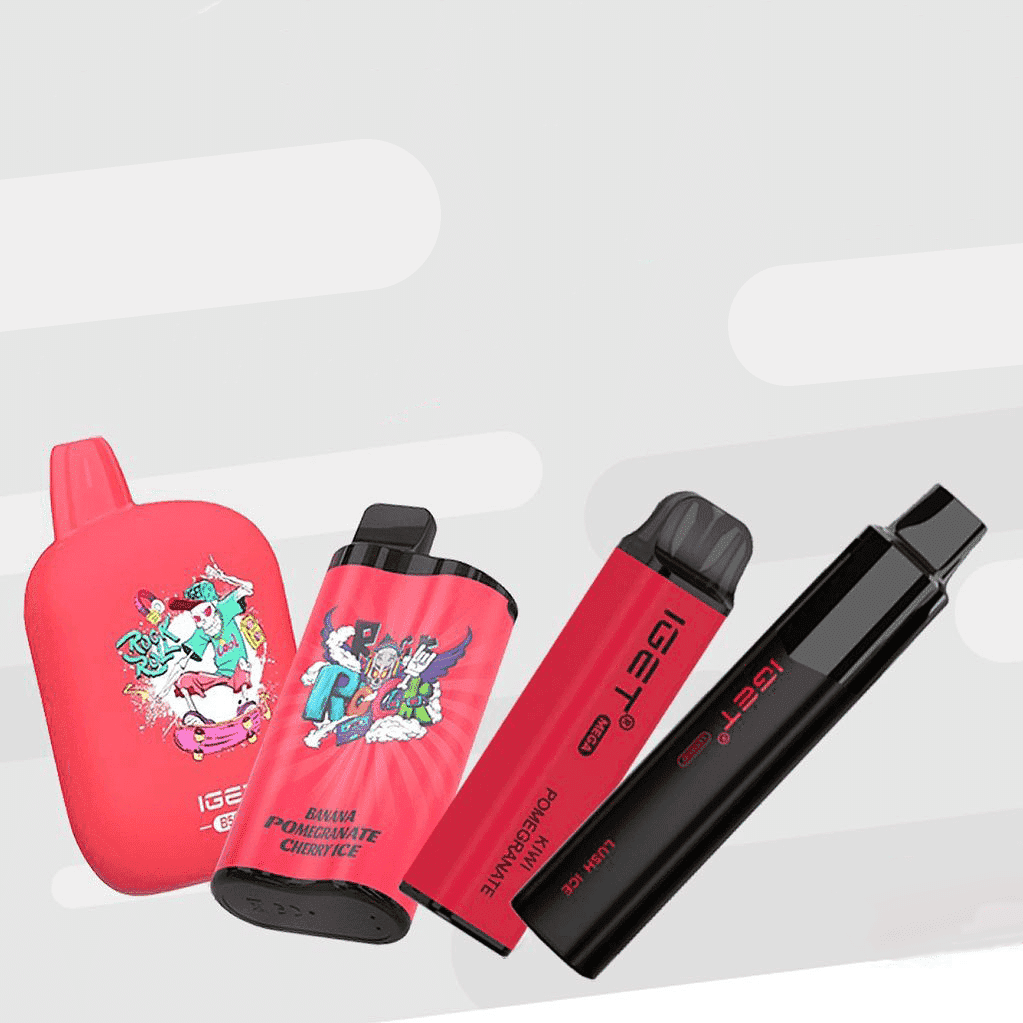
A leaking disposable vape should be treated as a product fault or damage issue, not something to ignore and continue using normally. The first priority is to stop the liquid reaching your mouth, skin, the battery area or other electronics.
1. Stop using the device
Set it upright on a stable, non-flammable surface. If liquid is coming from the mouthpiece or air inlet, continuing to draw can pull more liquid into the airway. Do not shake the device or blow aggressively into it.
2. Keep liquid off your skin and away from children
Avoid direct contact with leaked contents. Wash exposed skin promptly with soap and water. Keep the device and any leaked material away from children and pets. If exposure causes symptoms or you are concerned about poisoning, seek appropriate medical/poisons advice.
3. Check for battery-related warning signs
Do not charge or continue using a device that is swollen, cracked, unusually hot, making abnormal noises or visibly damaged. Liquid entering the battery/electronics area can increase uncertainty about the condition of the device.
4. Do not open a sealed disposable to “fix” the leak
Closed IGET devices are not intended to be dismantled as routine maintenance. Prying open the housing can expose the lithium cell and wiring. A leaking disposable is generally safer to retire than to reseal with improvised materials.
Why leaks can happen
- Physical damage or crushing.
- Heat exposure, including storage in a hot vehicle.
- Pressure changes.
- Internal seal or manufacturing failure.
- Using or storing the device in a way not intended for that model.
Disposal matters
Because the device contains an embedded lithium battery, do not put it in ordinary rubbish or kerbside recycling. The NSW EPA specifically warns that disposable vapes can ignite in waste collection and processing. Check local embedded-battery/e-waste collection options.
Bottom line
If an IGET disposable is leaking, stop using it, avoid contact with the leaked material, do not dismantle it and use an appropriate local disposal pathway. A damaged disposable is not a device to repair through trial and error.